
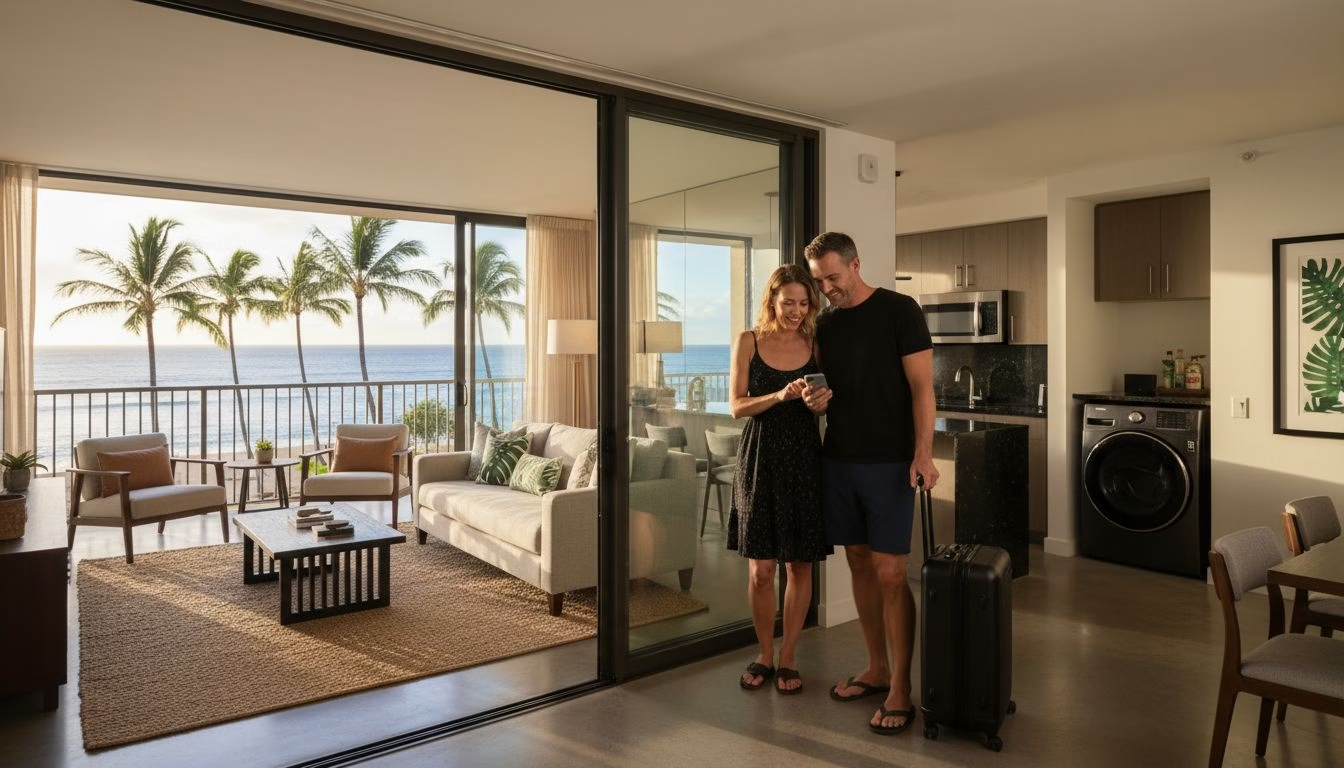
What Is Short Term Rental? Complete Oahu Guide
Over one million american travelers choose short-term rentals each year, driven by the promise of fully furnished homes and a more personal experience than hotels can offer. This shift matters because the flexibility and diversity of these rentals continue to reshape the way people approach temporary living. As legal rules and daily operations grow more complex, understanding what sets short-term rentals apart helps both guests and owners make smarter, more confident choices.
Table of Contents
- Short Term Rental Defined And Key Concepts
- Popular Types And Property Variations
- How Short Term Rentals Operate Day-To-Day
- Legal Restrictions And Oahu Zoning Rules
- Financial Responsibilities And Common Risks
Key Takeaways
| Point | Details |
|---|---|
| Short-term rental advantages | These rentals provide flexible, home-like accommodations with amenities that appeal to various types of travelers. |
| Diversity of property types | Options range from serviced accommodations to vacation homes, catering to different preferences and budgets. |
| Operational complexity | Managing short-term rentals requires advanced technologies for pricing and guest experiences, along with strict adherence to local regulations. |
| Financial considerations | Investors must plan for numerous expenses and navigate potential regulatory compliance costs to ensure profitability. |
Short Term Rental Defined and Key Concepts
Short-term rentals represent a dynamic housing segment that provides travelers and temporary residents with flexible, home-like accommodations. According to Wikipedia, these are furnished, self-contained apartments or houses rented for brief periods, serving as compelling alternatives to traditional hotel stays.
Unlike standard lodging options, short-term rentals offer unique advantages that appeal to diverse travelers. As research from the International Journal of Business Studies highlights, these rentals encompass various property types including single rooms, multiple rooms, or entire properties. Their flexibility makes them attractive for vacationers, business travelers, and individuals seeking temporary housing solutions.
The core characteristics of short-term rentals typically include:
- Fully furnished living spaces
- Amenities like kitchens and laundry facilities
- Rental periods ranging from a few nights to several weeks
- Online booking platforms for easy reservation
- More personalized and spacious accommodations compared to hotels
Regulations for short-term rentals can vary significantly across different jurisdictions, making it crucial for property owners and renters to understand local guidelines. Learn more about rental income potential in Oahu to understand how these regulations might impact your investment strategy.
Popular Types and Property Variations
Short-term rentals showcase remarkable diversity, offering travelers an extensive range of accommodation options tailored to different preferences and needs. According to Wikipedia, serviced accommodations represent a sophisticated category providing fully furnished properties with residential-like amenities such as utilities, housekeeping, and internet access. These properties specifically cater to business travelers, expatriates, and medical tourists seeking temporary high-quality lodging.
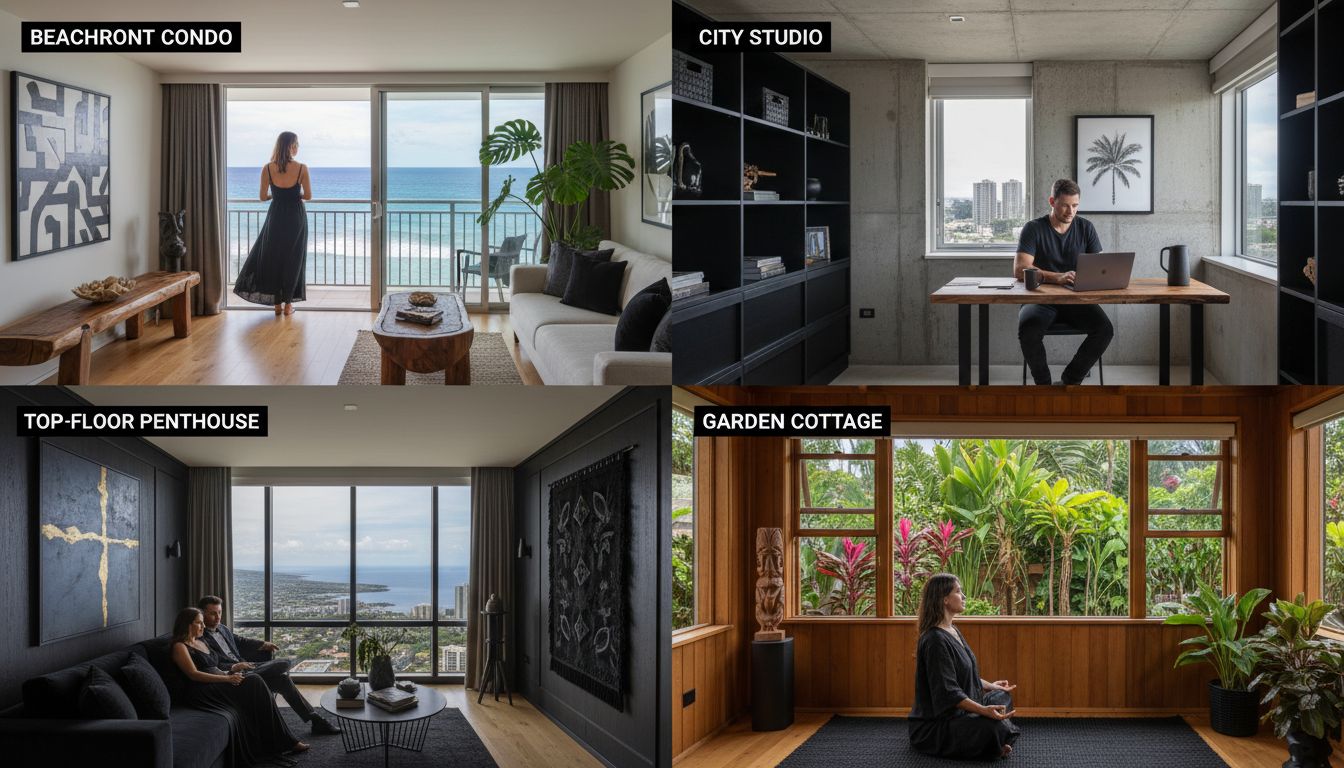
Another popular variation is the vacation home or holiday cottage. As defined by Wikipedia, these properties are typically smaller homes that travelers can rent and enjoy as a personal living space for short periods, usually less than 30 days. In Oahu, these variations might include:
- Beachfront Condos: Luxurious units with ocean views
- Studio Apartments: Compact, efficient spaces for solo travelers
- Multi-Bedroom Vacation Homes: Ideal for families or group travel
- Penthouse Suites: High-end accommodations with premium amenities
- Garden View Units: Peaceful settings away from busy tourist zones
Each property type offers unique advantages, allowing travelers to select accommodations that best match their specific requirements.
 Explore our guide to monthly rentals in Waikiki to understand how different property types can enhance your Hawaiian vacation experience.
How Short Term Rentals Operate Day-To-Day
Short-term rentals leverage sophisticated digital platforms to create seamless experiences for both property owners and travelers. According to Ryan Servatius, these rentals rely on dynamic pricing engines that adjust rates in real-time based on critical factors like seasonality, local events, and competitor activity. This intelligent approach allows property owners to maximize their rental income while providing competitive pricing for potential guests.
The operational ecosystem of short-term rentals involves multiple intricate processes. As detailed by VTSTRA, modern short-term rental management incorporates advanced technologies such as touchless check-in systems and compliance software to streamline guest experiences and ensure regulatory adherence. These technological solutions enable property managers to:
- Automate guest communication
- Implement secure, keyless entry methods
- Manage booking calendars efficiently
- Track and adapt to local regulatory requirements
- Maintain rapid turnaround between guest stays
The day-to-day management of short-term rentals requires meticulous attention to detail, from cleaning and maintenance to guest communication and pricing strategy.
Explore our guide to Oahu short-term vacation homes to understand the nuanced world of successful property management in Hawaii’s competitive rental market.
Legal Restrictions and Oahu Zoning Rules
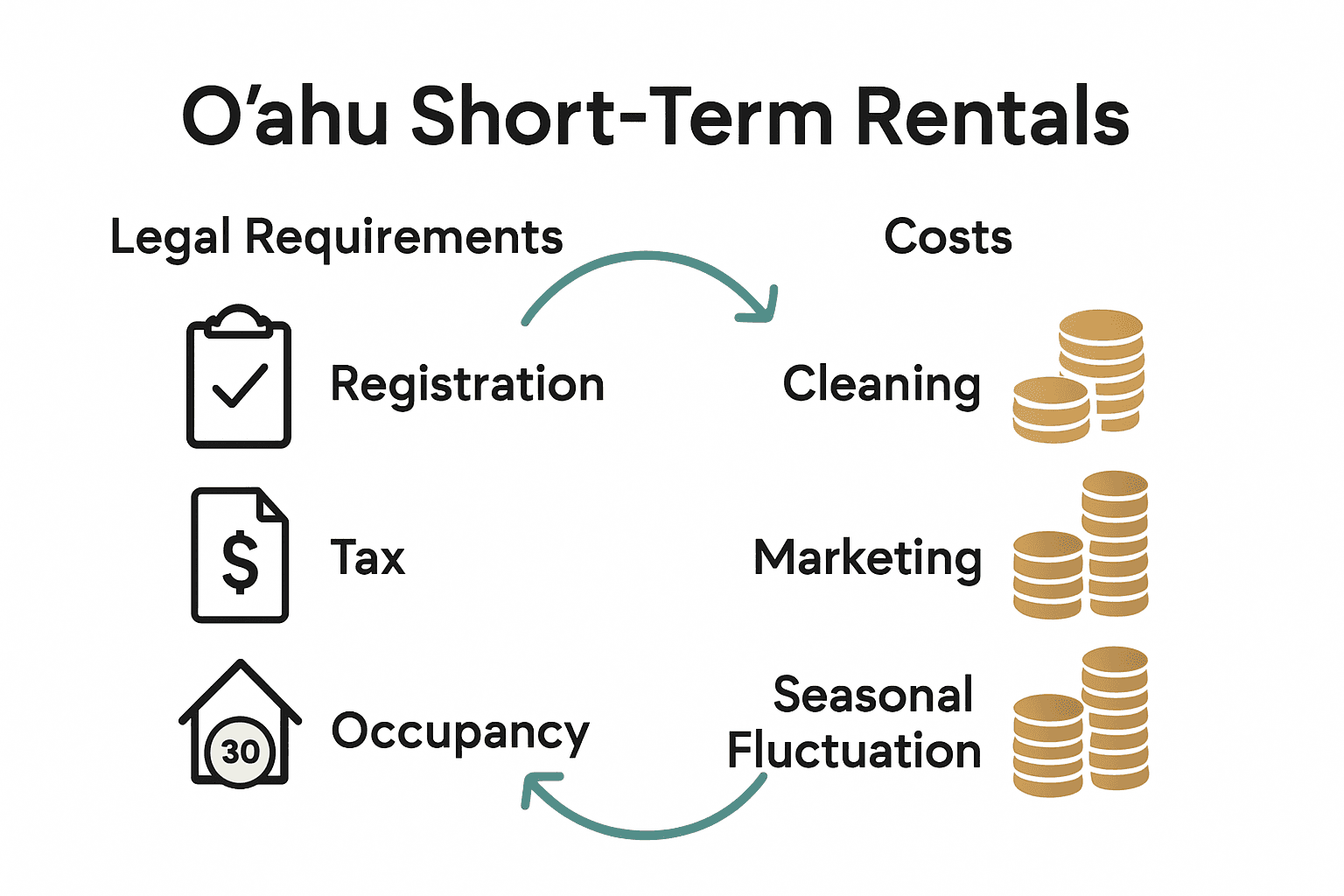
Oahu’s short-term rental landscape is governed by a complex web of local regulations designed to balance property rights with community interests. According to Granicus, short-term rentals are subject to specific legal requirements that typically include registration processes, tax obligations, safety precautions, and strict occupancy limitations. These regulations ensure that short-term rentals operate within established community standards and contribute responsibly to the local economy.
The regulatory environment for short-term rentals can be intricate and nuanced. As research from Polity highlights, jurisdictions without direct short-term rental regulations often manage these properties through existing housing laws. In Oahu, this means potential short-term rental owners must navigate a multi-layered compliance landscape that may involve:
- County-level zoning restrictions
- Homeowners association (HOA) regulations
- Specific neighborhood rental limitations
- Annual registration requirements
- Tax reporting obligations
- Occupancy and noise restrictions
Understanding these intricate legal frameworks is crucial for successful short-term rental management. Check out our comprehensive guide to Waikiki rental restrictions to ensure you’re fully informed about the latest regulatory requirements for short-term rentals in Oahu.
Financial Responsibilities and Common Risks
Short-term rental investments in Oahu present a complex financial landscape that requires careful navigation and strategic planning. According to REI Prime Glossary, these investments involve active management with significantly higher operational demands compared to traditional long-term rentals. While offering potentially lucrative income streams, they simultaneously expose property owners to more intensive financial and operational challenges.
The financial responsibilities of short-term rental ownership extend far beyond simple property acquisition. Potential investors must anticipate and budget for:
- Marketing and advertising expenses
- Professional cleaning and maintenance costs
- Utility and service management
- Insurance and liability protection
- Emergency repair funds
- Professional property management fees
- Seasonal occupancy fluctuations
- Tax reporting and compliance costs
As outlined by StayFi, these rentals are subject to complex regulatory requirements that can significantly impact financial planning. Unexpected compliance costs, potential fines for regulatory violations, and the need for continuous property upgrades make short-term rentals a nuanced investment strategy.
 Explore our comprehensive guide to Honolulu rentals to gain deeper insights into managing the financial intricacies of Oahu short-term rental properties.
Discover the Ideal Oahu Condo for Your Short-Term Rental Investment
Navigating the complexities of short-term rentals in Oahu takes careful planning and deep market insight. Whether you are concerned about local regulations, managing dynamic pricing, or selecting a property type that maximizes rental income and guest appeal, having access to tailored resources and expert advice can make all the difference. The challenge lies in finding the right condo that aligns with your goals while ensuring compliance with zoning rules and financial responsibilities.
Explore our Vacation Rentals | Honolulu Condos for Sale | BuyOahuCondos.com to uncover a curated selection of condos that fit diverse short-term rental needs.

Take control of your investment journey today by visiting BuyOahuCondos.com where you can compare building amenities, review rental policies, and request personalized property lists designed to match your vision. Don’t wait for opportunities to pass by start building your successful short-term rental portfolio on Oahu now.
Frequently Asked Questions
What is a short-term rental?
Short-term rentals are furnished, self-contained apartments or houses rented for short periods, offering travelers flexible, home-like accommodations as alternatives to traditional hotel stays.
What types of properties are available as short-term rentals?
Short-term rentals can vary widely and may include beachfront condos, studio apartments, multi-bedroom vacation homes, penthouse suites, and garden view units, each tailored to meet different traveler preferences.
How do short-term rental pricing strategies work?
Short-term rentals typically use dynamic pricing engines that adjust rates in real-time based on factors like seasonality, local events, and competitor pricing, helping property owners maximize their rental income.
What legal obligations do short-term rental owners have?
Short-term rental owners must adhere to various regulations, including registration requirements, tax obligations, safety precautions, occupancy limits, and compliance with local zoning laws, which may differ significantly depending on the jurisdiction.





5 Comments