

Complete Guide to Why Invest in Condos
Nearly one in five Americans now live in a condo, according to recent housing surveys. This growing trend raises questions that go far beyond the basics of home buying. Condo investments mix private ownership with shared community perks and unique financial rules. By understanding what sets condos apart and clearing up the most common myths, you can unlock new opportunities for building wealth and enjoying modern, low-maintenance living.
Key Takeaways
| Point | Details |
|---|---|
| Condo Ownership Structure | Condominiums combine individual unit ownership with shared rights and responsibilities for common areas, offering a unique living experience. |
| Investment Viability | Condos can be strategic investments, particularly in high-demand markets, providing lower initial costs and potential rental income. |
| Types of Condominiums | Various condo types, including residential, luxury, and condo hotels, offer distinct benefits that cater to different investment goals. |
| Financial and Risk Considerations | Investors should consider purchase costs, ongoing fees, and market risks while developing robust exit strategies to maximize returns. |
Table of Contents
- Condo Investments Explained: Core Concepts And Myths
- Types Of Condominiums And Their Key Differences
- Investment Benefits: Lifestyle, Rental, And Equity Growth
- Financial Considerations: Costs, Taxes, And Returns
- Risks, Exit Strategies, And Common Pitfalls
Condo Investments Explained: Core Concepts and Myths
Understanding condominium investments goes beyond simply buying a property—it’s about comprehending a unique ownership model that blends individual and shared property rights. According to common-interest development research, condominiums represent a sophisticated real estate structure where owners possess their individual units while simultaneously sharing rights and responsibilities for common areas and amenities.
The core concept of condo ownership challenges traditional property ownership myths. Unlike standalone homes, condos offer a more integrated living experience with several distinctive characteristics:
- Individual Unit Ownership: You own your specific living space outright
- Shared Common Areas: Access to amenities like pools, gyms, and landscaped spaces
- Collective Maintenance: Shared responsibility for building upkeep and repairs
- Cost-Effective Community Living: Typically lower maintenance burdens compared to single-family homes
Many potential investors misunderstand condo investments, believing they’re less valuable or flexible than traditional real estate. However, our comprehensive investment guides reveal that why invest in condos can be remarkably strategic investments—especially in high-demand markets like Oahu. They offer unique advantages such as lower initial purchase prices, reduced personal maintenance responsibilities, and potential rental income streams that make them attractive to both first-time buyers and seasoned real estate investors.
Types of Condominiums and Their Key Differences
Condominium ownership is far more nuanced than most investors realize, with multiple distinct types offering unique investment and lifestyle opportunities. From traditional residential units to innovative hybrid models, understanding these variations can dramatically impact your real estate strategy.
The primary condo categories include:
- Residential Condominiums: Standard units in multi-unit buildings, typically in urban or suburban settings
- Luxury High-Rise Condos: Premium units with extensive amenities and stunning views
- Townhouse Condominiums: Attached homes sharing common walls with more individual space
- Freehold Condominiums: Offering more comprehensive ownership rights
One fascinating emerging model is the condo hotel, which our Waikiki condo highlights showcase extensively. According to condo hotel research, this innovative structure allows individual unit ownership within a professionally managed hotel environment. Investors can enjoy personal usage while generating rental income when not occupying the space—a compelling hybrid between residential investment and hospitality income generation.
Each condo type presents distinct advantages. Residential condos offer stable long-term living, luxury units provide premium experiences, and condo hotels represent a flexible investment model. Your ideal choice depends on personal goals, budget, and desired level of involvement in property management.

Here’s a comparison of the main types of condominiums:
| Condo Type | Key Features | Typical Investment Benefits |
|---|---|---|
| Residential Condominium | Standard multi-unit buildings Urban/suburban locations | Stable living Long-term value |
| Luxury High-Rise Condo | Premium amenities Scenic views | High-end rentals Prestige |
| Townhouse Condominium | Attached homes More space | Family-friendly Greater privacy |
| Freehold Condominium | Full ownership rights | Increased control Potentially higher resale |
| Condo Hotel | Hotel amenities Rental pool option | Hybrid income Personal usage |
Investment Benefits: Lifestyle, Rental, and Equity Growth
Condo investments offer a unique blend of personal lifestyle enhancement and financial strategy that sets them apart from traditional real estate investments. These properties aren’t just square footage—they’re multifaceted assets that can generate income, provide personal living spaces, and build long-term wealth simultaneously.
The investment benefits break down into three critical dimensions:
- Lifestyle Flexibility: Personal use combined with investment potential
- Passive Rental Income: Opportunity to generate monthly revenue
- Appreciation Potential: Steady equity growth in desirable markets
- Lower Maintenance Burden: Reduced personal upkeep responsibilities
In markets like Oahu, condos present particularly attractive investment opportunities. Our Honolulu rental property guide highlights how strategic condo purchases can transform from personal residences to lucrative rental properties. Smart investors leverage features like proximity to tourist destinations, modern amenities, and professional management to maximize both personal enjoyment and financial returns.
The true magic of condo investments lies in their dual-purpose nature. Unlike traditional investments that require complete separation between personal use and income generation, why invest in condos allow owners to seamlessly transition between a personal sanctuary and a revenue-generating asset. Whether you’re seeking a vacation home, retirement investment, or passive income stream, condos offer a remarkably flexible investment vehicle that adapts to your evolving lifestyle and financial goals.
Financial Considerations: Costs, Taxes, and Returns
Condo investments demand a comprehensive financial strategy that goes beyond the initial purchase price. Successful investors understand that true profitability involves carefully analyzing multiple financial dimensions, from upfront costs to ongoing expenses and potential tax implications.
Key financial components every condo investor must evaluate include:
- Purchase Costs: Initial down payment and closing expenses
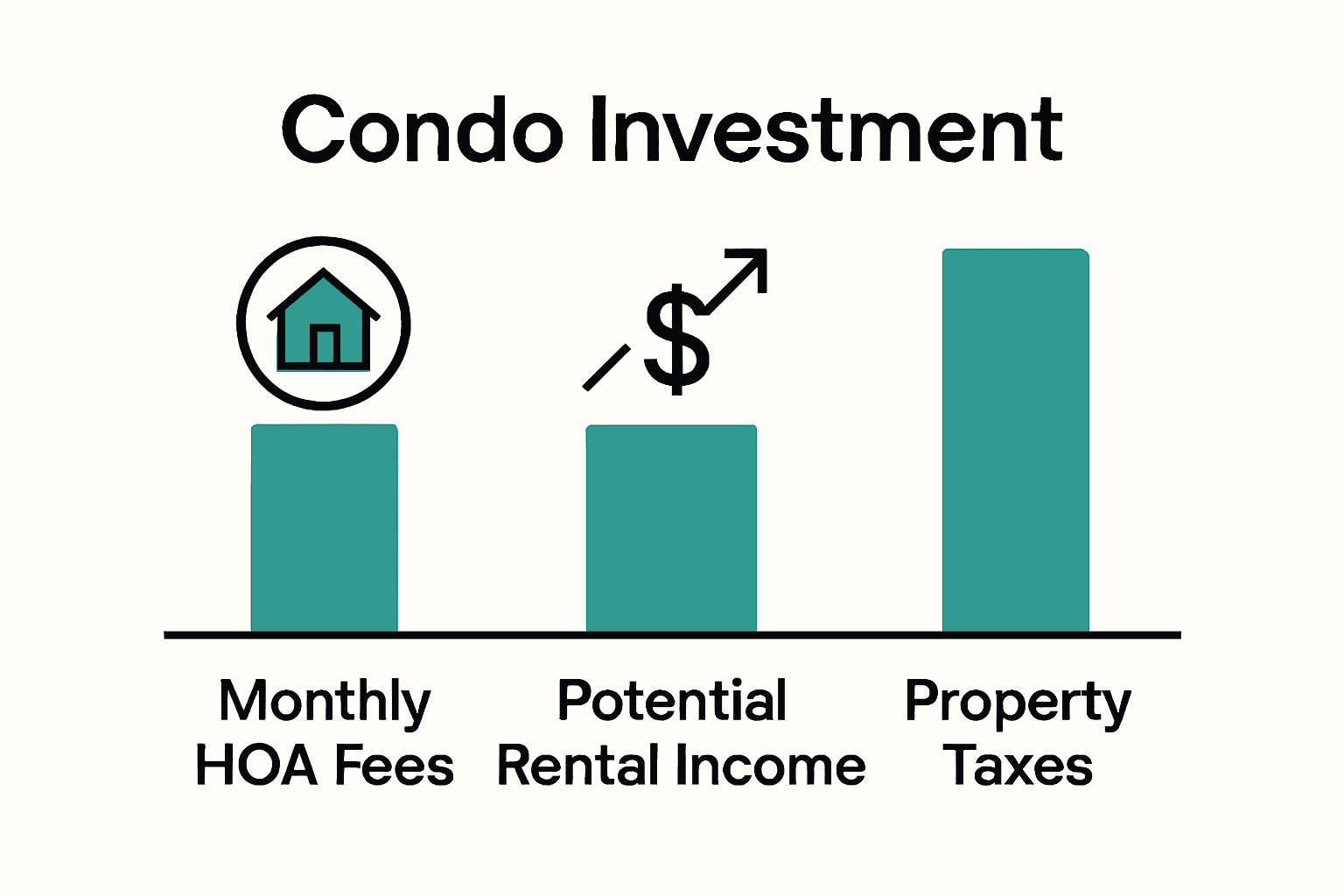
- Monthly HOA Fees: Recurring maintenance and community management charges
- Property Taxes: Annual tax obligations specific to condo ownership
- Potential Rental Income: Revenue streams from short-term or long-term leasing
- Maintenance Reserves: Funds set aside for unexpected repairs and upgrades
The financial landscape of condo investments can be complex, with nuanced considerations that differ significantly from traditional real estate. Our comprehensive investment guides break down the intricate balance between expenses and potential returns, helping investors make informed decisions.
Tax strategies play a crucial role in maximizing condo investment returns. Investors can potentially leverage deductions for mortgage interest, property taxes, and depreciation—transforming what might seem like expenses into strategic financial tools. The key is understanding how to structure your investment to optimize both immediate cash flow and long-term wealth accumulation, turning your condo from a simple property into a sophisticated financial asset.
Risks, Exit Strategies, and Common Pitfalls
Condo investments, while attractive, are not without significant potential risks that can derail even the most carefully planned investment strategy. Savvy investors understand that successful real estate ventures require anticipating and mitigating potential challenges before they become costly problems.
Common risks and potential pitfalls include:
- Market Volatility: Sudden shifts in local real estate valuations
- HOA Financial Instability: Potential mismanagement of community funds
- Rental Restriction Limitations: Unexpected constraints on generating income
- Special Assessment Risks: Unexpected major repair costs
- Liquidity Challenges: Potential difficulties selling quickly
Our Oahu condo buying tips emphasize the critical importance of developing robust exit strategies. Smart investors should always have multiple contingency plans, including potential scenarios like selling, long-term holding, converting to a primary residence, or transitioning to a different rental model.
Navigating these potential challenges requires a strategic approach. This means conducting thorough due diligence on the specific condo complex, understanding the HOA’s financial health, reviewing rental policies, and maintaining a flexible investment mindset. The most successful condo investors view their property not just as a static asset, but as a dynamic investment that may require periodic reassessment and strategic adjustments to maximize long-term returns and minimize potential risks.
Ready to Invest in a Smarter Condo Future?
Are you feeling uncertain about how to navigate the complex world of condo investments? Many readers from our Complete Guide to Why Invest in Condos want to avoid common risks and maximize both lifestyle and financial returns. You are not alone if you have questions about rental potential, HOA fees, or identifying the right type of property for your goals. The journey from research to confident investment starts with the right tools and expert advice. For those prepared to make an informed move, our Honolulu Condo Investment Guides offer step-by-step resources that help you analyze returns, compare neighborhoods, and avoid costly pitfalls.

Unlock the guidance and resources you need to succeed. Visit BuyOahuCondos.com and explore tailored market insights, practical Oahu Condo Buying Tips, and exclusive property tours. Make your next condo investment decision with clarity and confidence. Take advantage of current market opportunities and start your personalized search today.
Frequently Asked Questions
What are the main benefits of investing in condos?
Condo investments offer lifestyle flexibility, passive rental income, and potential appreciation in high-demand markets, along with a lower maintenance burden compared to single-family homes.
How do condo ownership models differ from traditional real estate?
Unlike traditional homes where you own the entire property, condos provide individual ownership of specific units while sharing ownership and responsibilities for common areas and amenities with other residents.
What types of condominiums are available for investment?
Key types of condominiums include residential condos, luxury high-rise condos, townhouse condos, freehold condos, and condo hotels, each offering unique features and investment opportunities.
What financial considerations should I keep in mind when investing in condos?
Investors should evaluate purchase costs, monthly HOA fees, property taxes, potential rental income, and maintenance reserves to understand the total financial landscape involved in condo investments.






4 Comments