

Investment vs Lifestyle Condos – Making the Right Choice
More than 30 percent of American buyers face confusion when deciding between investment condos and lifestyle condos in sought-after places like Oahu. This choice goes beyond simple preference, influencing both long-term financial security and daily quality of life. Understanding the real differences between these condo types can help you make the right move for your future, whether your goal is maximizing returns or enjoying the ultimate island lifestyle.
Table of Contents
- Investment Vs Lifestyle Condos Defined
- Key Features: Ownership, Use, And Restrictions
- Rental Income, Resale Value, And Taxes
- Lifestyle Priorities: Amenities And Neighborhoods
- HOA Fees, Rules, And Short-Term Rentals
- Choosing The Right Condo For Your Needs
Key Takeaways
| Point | Details |
|---|---|
| Investment Condos Focus on Returns | Investment condos prioritize rental income and potential appreciation, making location and market trends crucial for financial success. |
| Lifestyle Condos Emphasize Comfort | Lifestyle condos cater to personal living preferences, prioritizing amenities and community aspects for enhanced daily experiences. |
| HOA Regulations Impact Ownership | Homeowners Associations establish rules that significantly influence rental opportunities and property modification options, making thorough documentation review essential. |
| Strategic Decision-Making is Key | Buyers must balance personal lifestyle needs with financial objectives, carefully evaluating location, rental potential, and community features when selecting a condo. |
Investment vs Lifestyle Condos Defined
When exploring the Oahu real estate market, understanding the fundamental differences between investment condos and lifestyle condos becomes crucial for making strategic purchasing decisions. These two categories represent distinctly different approaches to property ownership, each serving unique financial and personal objectives.
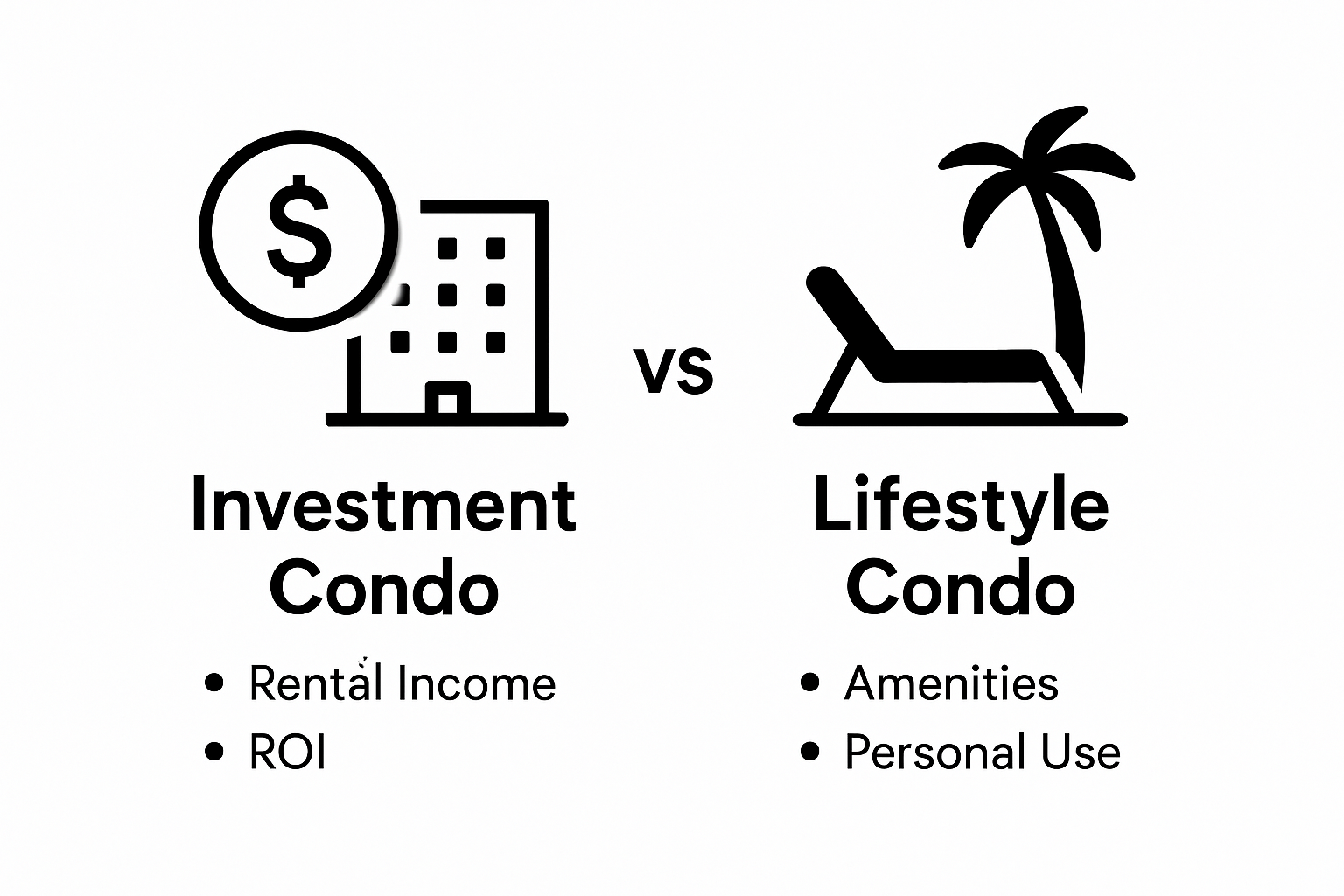
Investment condos are primarily focused on generating financial returns through strategic rental income and potential property appreciation. Rental potential drives these purchases, with investors carefully analyzing market trends, potential rental yields, and long term growth prospects. Investors typically prioritize factors like location proximity to business centers, tourist attractions, and areas with consistent rental demand.
In contrast, lifestyle condos are selected based on personal living preferences and quality of life considerations. These properties emphasize amenities, neighborhood character, and alignment with an individual’s daily living requirements. Buyers seek condos that offer convenient access to recreational spaces, stunning ocean views, proximity to preferred neighborhoods, and features that enhance personal comfort and enjoyment.
Investment Condo Key Characteristics:
- Strong rental income potential
- Focus on financial returns
- Strategic location selection
- Lower personal use emphasis
Lifestyle Condo Key Characteristics:
- Personal living experience priority
- Enhanced amenities and comfort
- Neighborhood and community alignment
- Higher personal satisfaction focus
Understanding these distinctions allows potential buyers to align their real estate investments with their specific goals, whether seeking financial growth or an ideal living environment in beautiful Oahu.
Key Features: Ownership, Use, and Restrictions
Understanding the nuanced landscape of condo ownership involves navigating a complex set of rules, regulations, and shared responsibilities that significantly impact both investment and lifestyle properties. Ownership structures in Oahu’s real estate market present unique considerations that potential buyers must carefully evaluate before making a purchase.
Condo ownership fundamentally differs from traditional home ownership through its inherent shared property management model. Homeowners Association (HOA) regulations play a critical role in defining the parameters of property use, maintenance, and potential rental activities. These associations establish comprehensive guidelines that can dramatically influence an owner’s ability to modify their unit, rent it out, or utilize common spaces.
Restrictions can vary dramatically between investment and lifestyle condos. Lifestyle condo owners typically face more stringent rules about unit modifications, noise levels, and aesthetic uniformity, prioritizing community harmony. Investment condo owners, by contrast, must navigate more complex regulations surrounding rental permissions, which can include:
- Limits on rental frequency
- Minimum rental duration requirements
- Registration and tax compliance obligations
- Potential caps on total units that can be rented simultaneously
Specific ownership considerations include:
- Shared maintenance responsibilities
- Mandatory HOA fee structures
- Voting rights in community decisions
- Access to common amenities
- Potential restrictions on short-term rentals
Prudent buyers must meticulously review HOA documentation to understand the precise ownership framework, ensuring their property goals align with the established community guidelines.
Rental Income, Resale Value, and Taxes
Navigating the financial landscape of Oahu condos requires a strategic approach to understanding potential rental income opportunities and long-term investment potential. The interplay between rental performance, market appreciation, and tax implications creates a complex ecosystem for property investors and lifestyle buyers alike.
Prime location condos in Oahu present significant rental income potential, with strategic properties generating substantial returns through both short-term and long-term rental markets. Investment considerations extend beyond mere rental yields, encompassing critical factors like property appreciation, maintenance costs, and local market dynamics. Investors must carefully analyze neighborhood trends, tourism patterns, and economic indicators to maximize their financial outcomes.
Tax implications represent a crucial component of condo ownership that can significantly impact overall financial performance. Rental income is subject to various federal and state tax regulations, with specific considerations for:
- Income tax reporting for rental revenues
- Potential deductions for property maintenance
- Capital gains tax implications
- State and local tax obligations
Key financial metrics for evaluating condo investments include:
- Gross rental yield percentage
- Net operating income
- Appreciation potential
- Total expenses ratio
- Cash flow projections
Successful condo investors approach their purchases as comprehensive financial instruments, balancing immediate rental income potential with long-term wealth accumulation strategies.
Lifestyle Priorities: Amenities and Neighborhoods
Selecting the perfect condo in Oahu goes far beyond square footage and purchase price. Neighborhood selection represents a critical decision that directly impacts daily living experiences, personal satisfaction, and long-term property value.

Condos offer unique community-oriented living arrangements that foster distinctive social environments. Shared facilities like fitness centers, swimming pools, communal gathering spaces, and landscaped areas create opportunities for social interaction and enhanced lifestyle experiences. These amenities transform residential spaces from mere living quarters into vibrant community ecosystems that cater to diverse personal preferences and social needs.
When evaluating lifestyle priorities, potential buyers should consider several key neighborhood and amenity factors:
- Proximity to beaches and outdoor recreational spaces
- Walking distance to restaurants and entertainment
- Public transportation accessibility
- Safety and crime statistics
- Local school district quality
- Parking availability
- Community event opportunities
Neighborhood characteristics that significantly influence lifestyle include:
- Cultural diversity
- Local architectural character
- Green space and environmental quality
- Noise levels
- Future development potential
Ultimately, choosing between investment and lifestyle condos requires a nuanced understanding of personal priorities, balancing financial considerations with quality of life expectations in Oahu’s dynamic real estate landscape.
HOA Fees, Rules, and Short-Term Rentals
Navigating the complex landscape of Homeowners Association (HOA) regulations requires careful consideration, especially for investors and lifestyle buyers interested in Oahu condos. Rental restrictions can significantly impact property utility and potential income streams, making thorough understanding crucial for prospective buyers.
HOA fees represent a critical financial component that varies dramatically between different condo communities. Monthly maintenance costs can range from a few hundred to several thousand dollars, depending on amenities, building age, and community standards. These fees typically cover essential services including:
- Building maintenance
- Landscaping
- Common area upkeep
- Security services
- Insurance for shared spaces
- Reserve funds for major repairs
Short-term rental regulations pose significant challenges for potential investors, with HOAs often implementing strict guidelines to maintain community character:
- Total number of rental units permitted
- Minimum rental duration restrictions
- Registration and compliance requirements
- Potential penalties for rule violations
- Impact on property financing options
Prospective buyers must conduct comprehensive due diligence, carefully reviewing HOA documentation to understand the precise restrictions and financial obligations associated with their potential property investment.
Choosing the Right Condo for Your Needs
Selecting the ideal condo requires a strategic approach that balances personal lifestyle preferences with financial objectives. Comparison strategies play a critical role in navigating Oahu’s diverse real estate market, ensuring buyers make informed decisions aligned with their unique goals.
Urban markets often present compelling opportunities for condo investments, with high-demand locations offering strong potential for appreciation and rental income. Understanding your primary motivation becomes crucial whether you’re seeking a personal residence or a financial asset. Key considerations include income potential, lifestyle requirements, and long-term financial strategy.
Critical factors to evaluate when choosing a condo include:
- Location and neighborhood dynamics
- Potential rental income
- HOA fee structures
- Amenities and community features
- Proximity to work and recreation
- Building age and maintenance history
- Potential for property value appreciation
Financial assessment checklist for prospective buyers:
- Determine your primary investment objective
- Calculate potential rental yields
- Review HOA financial statements
- Assess personal lifestyle requirements
- Project long-term financial implications
Successful condo selection demands a holistic approach that synthesizes personal preferences with rigorous financial analysis, ensuring your investment meets both emotional and economic expectations.
Make the Right Choice Between Investment and Lifestyle Condos in Oahu
Choosing between an investment condo focused on rental income and a lifestyle condo designed for personal comfort can feel overwhelming. Key challenges include understanding HOA restrictions, assessing rental potential, and prioritizing amenities and neighborhood benefits that align with your goals. Whether your priority is financial growth or a relaxing home environment, navigating these important concepts will help you avoid costly mistakes and increase your satisfaction.
Explore expert insights and detailed guides at Honolulu Condo Investment Guides | ROI & Rental Tips to understand how to maximize your returns. If you want practical advice for living well in Waikiki and Honolulu neighborhoods, visit Oahu Condo Buying Tips | Honolulu & Waikiki Advice.

Ready to take the next step confidently? Visit BuyOahuCondos.com for personalized property listings, HOA fee comparisons, and virtual tours tailored to your unique needs. Make your condo purchase in Oahu a rewarding experience by partnering with a trusted resource dedicated to your success today.
Frequently Asked Questions
What is the primary difference between investment condos and lifestyle condos?
Investment condos focus on generating rental income and property appreciation, while lifestyle condos prioritize personal living preferences and quality of life enhancements.
What are the key characteristics of investment condos?
Investment condos typically have strong rental income potential, focus on financial returns, are strategically located near demand areas, and have lower emphasis on personal use.
What factors should I consider when evaluating lifestyle condos?
When evaluating lifestyle condos, consider amenities offered, neighborhood character, proximity to recreational spaces, community features, and access to local dining and entertainment options.
How do HOA regulations affect condo ownership?
HOA regulations impact property use, maintenance, and rental activities. They can impose fees, establish community rules, and set restrictions on modifications and rental agreements, making it essential for buyers to review HOA documentation carefully.
Recommended
- why invest in oahu condos | Investment Guide
- Complete Guide to Why Invest in Condos | Honolulu Condos for Sale | BuyOahuCondos.com
- Investment Condo Risks: Complete Guide for Buyers | Honolulu Condos for Sale | BuyOahuCondos.com
- why invest in vacation condos | condo investment guide
- How to Buy Your First Home: A Step-by-Step Guide – Homes2MoveYou.com






2 Comments