Best Walkable Honolulu Condo Neighborhoods
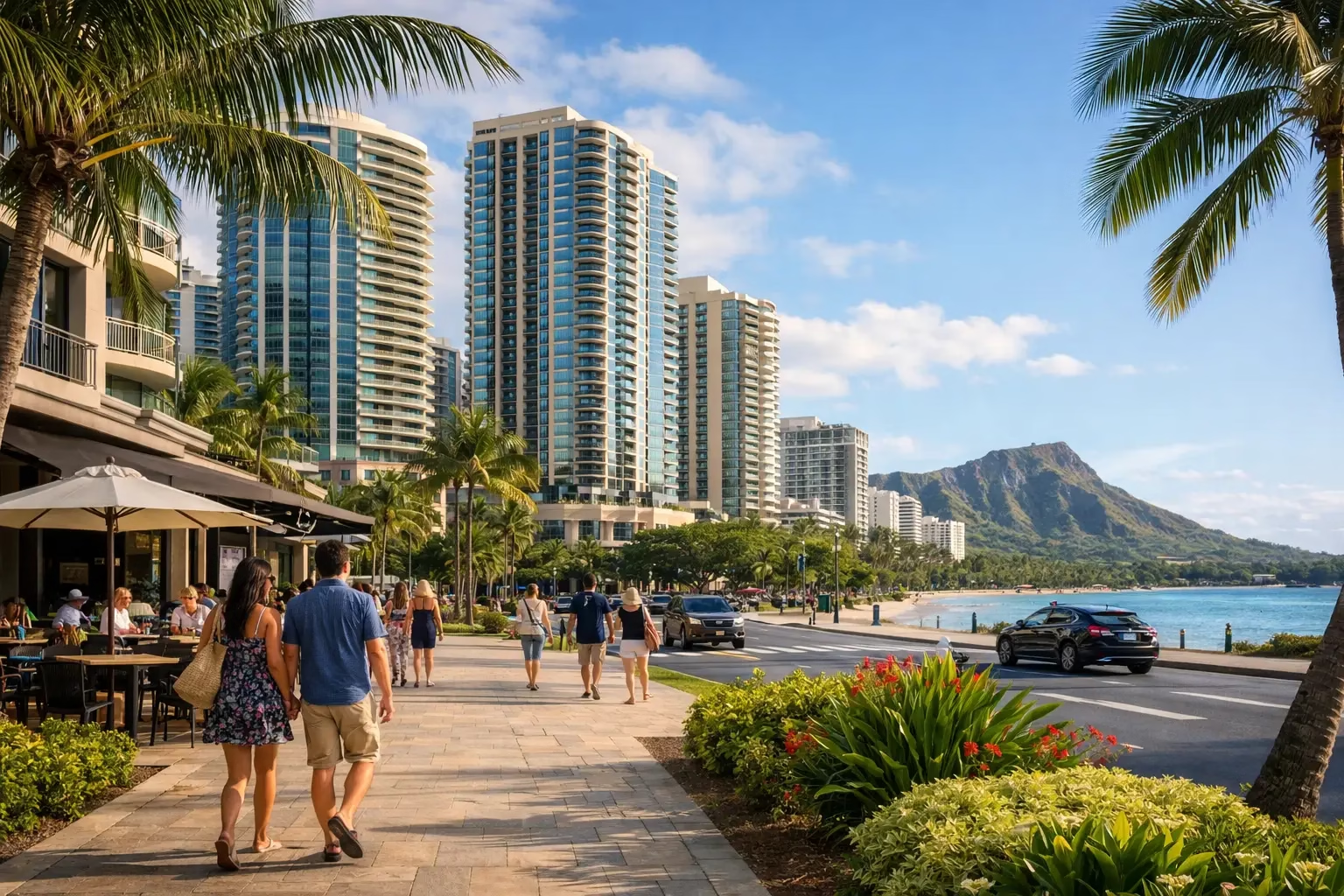
You can feel the difference on foot. In some parts of Honolulu, condo living means grabbing coffee, groceries, dinner, and the beach without moving your car. In others, you may still be in a great building, but daily convenience depends more on driving and parking. For buyers searching for walkable Honolulu condo neighborhoods, that distinction matters just as much as view, square footage, or amenities.
Walkability affects lifestyle, but it also shapes long-term satisfaction with a purchase. Buyers relocating from mainland urban markets often expect a neighborhood to function a certain way once they step outside the lobby. Retirees may want fewer car-dependent errands. Investors and second-home buyers often look for areas that stay consistently desirable because restaurants, retail, and recreation are close by. In Honolulu, the most walkable condo areas are not all interchangeable. Each one has a different mix of pricing, building stock, traffic, noise, and day-to-day convenience.
What makes a condo neighborhood truly walkable?
Walkability is not just about having sidewalks. For condo buyers, it usually means being able to handle normal life within a short radius. That includes groceries, dining, casual shopping, parks or the beach, fitness options, and basic services like pharmacies, banks, and medical offices.
The condo inventory inside a walkable area matters too. Some neighborhoods are highly walkable but have older buildings with smaller floor plans, higher maintenance fees, or more uneven building condition. Others offer newer towers and stronger amenity packages, but at much higher price points. A buyer looking for convenience should still compare HOA fees, reserve funding, special assessment history, pet rules, and rental policies before assuming a walkable location is automatically the better value.
Walkable Honolulu condo neighborhoods worth comparing
Waikiki
Waikiki is one of the most obvious choices for buyers who want to live with the fewest car trips possible. The neighborhood gives residents immediate access to restaurants, coffee shops, surf spots, retail, grocery options, and daily services. For buyers who want an active street environment and easy beach access, Waikiki remains hard to beat.
The trade-off is that Waikiki is not a single experience. Some pockets feel more residential and practical, while others are more tourism-driven and busier late into the evening. Building quality also varies widely. You will find older fee simple condos, leasehold properties, condotels, luxury towers, and buildings with very different rental rules often within a few blocks of each other.
For owner-occupants, Waikiki works best when the building itself fits your tolerance for activity, parking limitations, and visitor density. For investors or part-time owners, the key issue is less about walkability and more about legal use, short-term rental compliance, and ownership economics. A highly walkable address in Waikiki can still be the wrong purchase if the building has weak reserves or restrictions that do not match your goals.
Ala Moana
Ala Moana offers a different kind of walkability. It is less beach-town in feel and more convenience-centered. Residents are close to Ala Moana Center, grocery stores, restaurants, medical services, and Ala Moana Beach Park. For many buyers, this area hits a practical sweet spot between urban living and shoreline access.
This neighborhood tends to appeal to buyers who want to be central without being fully in Waikiki’s visitor-heavy core. It also works well for professionals and second-home owners who value easy access to Kakaako, Downtown, and major commuter routes. The walkability here is strong because daily errands are genuinely manageable on foot, not just entertainment and dining.
From a condo perspective, Ala Moana includes a mix of older established buildings and newer luxury inventory. That creates a wider comparison range for buyers. Some older towers can look attractive on price per square foot, but monthly fees and deferred maintenance should be reviewed carefully. Newer luxury buildings may offer stronger amenity packages and newer systems, but ownership costs can climb quickly.
Kakaako
Kakaako has become one of the strongest lifestyle-driven condo markets in urban Honolulu, and walkability is a major reason. This is where many buyers find the polished high-rise experience they expect from a modern urban district. Restaurants, cafes, fitness studios, retail, and public spaces are all part of the appeal, and the area connects well to Ala Moana and parts of Downtown.
Among walkable Honolulu condo neighborhoods, Kakaako often attracts buyers who prioritize newer construction, design, and building amenities. It is especially appealing to professionals, luxury buyers, and second-home purchasers who want a strong lock-and-leave option with an active street scene nearby.
The main trade-off is cost. Entry prices are generally higher than in many older Honolulu condo areas, and maintenance fees in full-service towers can be substantial. Buyers should avoid focusing only on lobby appeal and resort-style amenities. In Kakaako, it is especially important to compare reserve strength, planned maintenance, parking configuration, and whether the building’s rules fit your intended use. A newer tower in a walkable district can still be a poor fit if monthly carrying costs outpace your comfort level.
Downtown Honolulu and Chinatown edge areas
For buyers who want true urban walkability, Downtown Honolulu deserves a closer look than it usually gets. Depending on the block, residents can walk to offices, restaurants, galleries, government buildings, and cultural venues. This area may be a fit for buyers who care more about city access than beach proximity.
It is not the right choice for everyone. Downtown has a more business-oriented rhythm, and some streets feel very different after work hours or on weekends. Certain pockets near Chinatown offer strong dining and character, but buyers should assess the block-level environment carefully rather than judging the district as a whole.
Condo inventory here can present interesting value relative to more resort-oriented neighborhoods. That said, buyers need to examine building condition and management closely. Some buildings offer convenience and a central location at a lower price point, but older systems, limited amenities, or neighborhood feel may be the compromise.
How to compare walkable neighborhoods like a condo buyer, not a tourist
A common mistake is choosing the neighborhood with the best first impression instead of the best ownership fit. Walkability should support your daily life, but it should be weighed against the building itself.
Start by asking what you want to walk to most often. If beach access matters more than retail, Waikiki or Ala Moana may make more sense than Downtown. If newer towers and modern amenities rank higher, Kakaako may justify the premium. If your goal is value and urban convenience, certain Downtown buildings may deserve attention.
Then look at the ownership economics. Two condos in similarly walkable locations can feel very different once you compare maintenance fees, parking, insurance exposure, reserve funding, and recent assessment history. Buyers often focus on purchase price and underestimate how much monthly costs affect the real value equation.
Rental rules also matter. A buyer considering part-time use, future flexibility, or investment potential should not assume neighborhood demand alone is enough. Building-level rules can limit rental strategy far more than location supports it.
Which buyer fits each neighborhood best?
Waikiki is often best for buyers who want beach access, energy, and the broadest mix of condo inventory. It can work for owner-occupants, second-home buyers, and some investors, but building selection is everything.
Ala Moana usually fits buyers who want central convenience with a more practical, everyday living feel. It is a strong choice for those who want retail, groceries, and the beach all nearby without being fully immersed in Waikiki’s pace.
Kakaako tends to suit buyers who value newer buildings, polished amenities, and a modern urban environment. It often appeals to luxury-oriented buyers and professionals, though pricing and fees require a more disciplined review.
Downtown fits a narrower buyer profile, but it can be a smart one. Buyers who prioritize a true city setting, potential value, and central access may find better alignment here than in more lifestyle-branded districts.
The right walkable neighborhood depends on the building
The best neighborhood on paper can still disappoint if the condo does not align with how you plan to live. A highly walkable location loses some of its value if the building has poor reserves, frequent assessments, restrictive rules, or a layout that does not suit your needs. That is why serious condo shopping in Honolulu should always narrow from neighborhood to building, then from building to unit.
If you are comparing walkable areas, the smartest next step is not just touring the most popular districts. It is building a shortlist that matches your budget, usage plans, and tolerance for fees with the right mix of neighborhood access and building quality. BuyOahuCondos.com is built around that exact process, because in Honolulu, the walk from your front door matters – but the numbers behind the building matter just as much.
Frequently Asked Questions
What are the best neighborhoods to buy a condo on Oahu?
The top neighborhoods for condo buyers on Oahu include Waikiki (tourism-driven, STR options), Kakaako (new construction, walkable), Ala Moana (central location, shopping), and Ko Olina (resort-style, west side). Each area has different price points, rental rules, and lifestyle trade-offs.
How do I choose the right neighborhood for a condo on Oahu?
Start with your primary goal: personal use, long-term rental, or short-term rental. Then match neighborhoods to that goal. Waikiki is best for STR income, Kakaako for appreciation, Ala Moana for convenience. Visit in person, check walkability, and review each building’s HOA rules before committing.
Is Waikiki or Kakaako better for condo buyers?
Waikiki offers strong vacation rental income potential and beachside lifestyle, but buildings are older and HOA fees can be high. Kakaako features newer construction with modern amenities and better long-term appreciation potential, but most buildings restrict short-term rentals. Your goal determines which is better.
The best purchase is usually the one that still feels practical after the sunset view, the pool deck, and the first neighborhood stroll wear off.