Waikiki Condo Rentals Near Beach: What to Check
A block in Waikiki can change the entire ownership experience. Two condos may look similar online, but one puts you steps from the sand and the other puts you next to late-night traffic, higher maintenance costs, or rental rules that do not fit your plans. If you are searching for waikiki condo rentals near beach, it helps to think beyond the postcard view and evaluate the building the way a condo specialist would.
For buyers, the phrase often means one of two things. Some are looking for a personal-use condo near the shoreline with the option to rent it out when they are away. Others are evaluating existing rental-friendly units as an income property. In both cases, the smartest move is to compare buildings, not just listings. In Waikiki, beach access matters, but so do HOA fees, reserve funding, special assessment risk, and the exact rental policy attached to the building.
What “near beach” really means in Waikiki
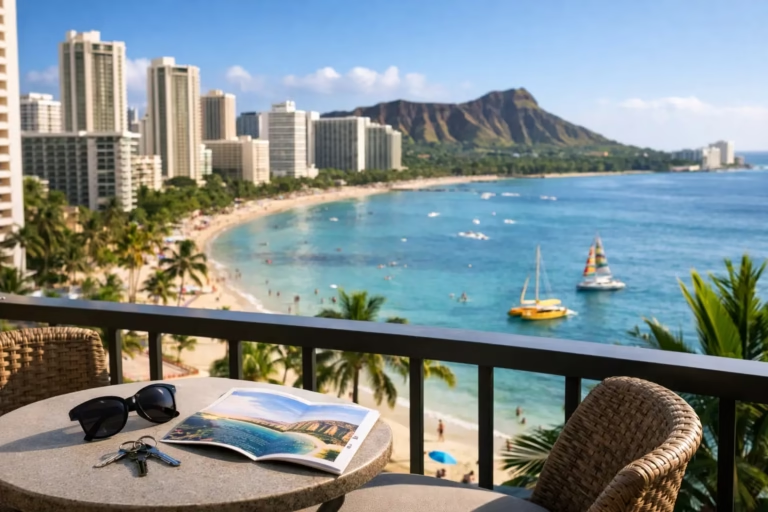
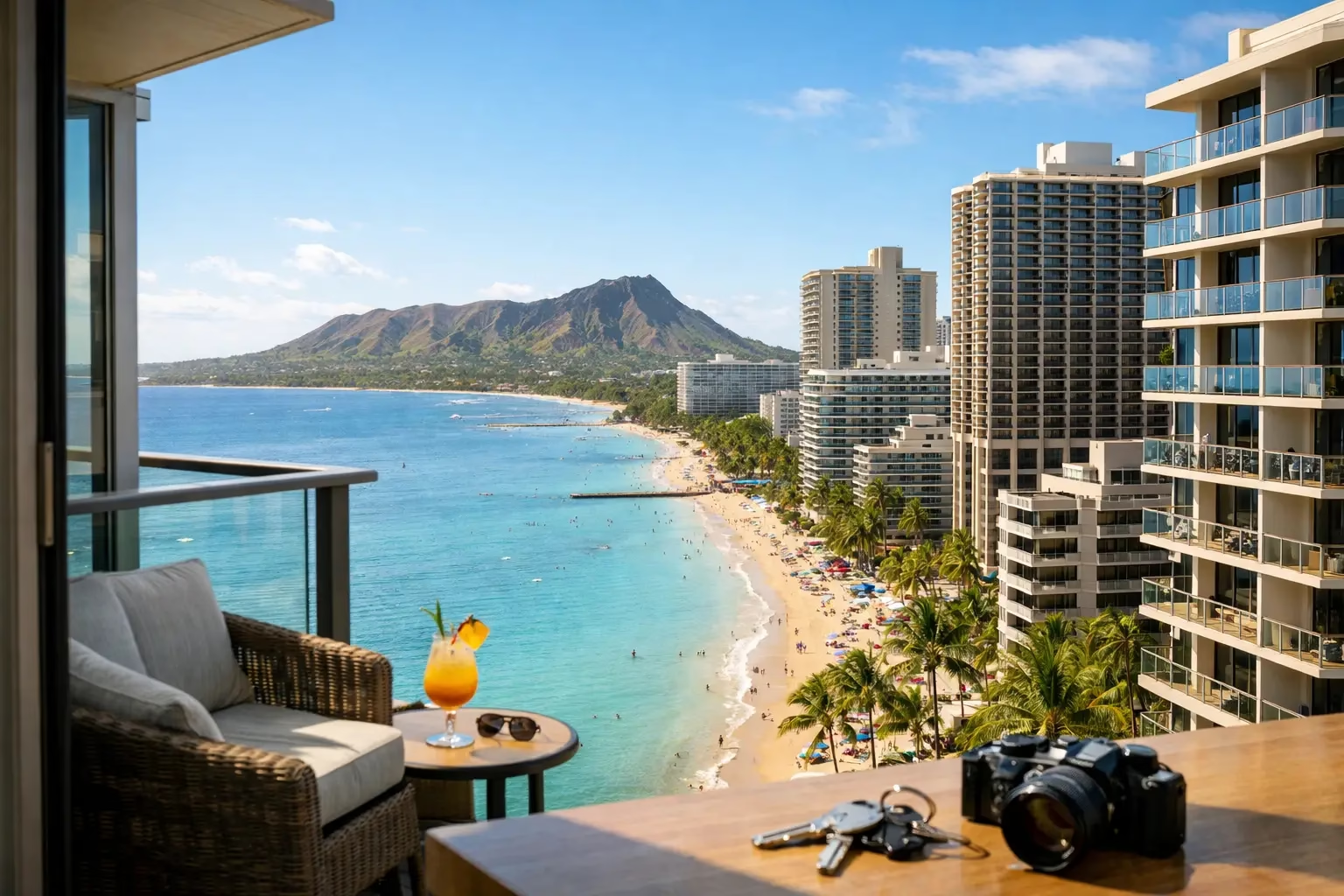
In many mainland markets, being near the beach sounds straightforward. In Waikiki, it is more nuanced. A condo three minutes from Kuhio Beach may feel completely different from one six or seven blocks inland, even if both are technically walkable.
The first layer is lifestyle. Closer to the water usually means easier beach access, stronger visitor demand, and a more resort-oriented feel. It can also mean denser foot traffic, valet-heavy buildings, older towers with expensive upkeep, and less of the quiet residential atmosphere some owners want.
The second layer is economics. Buildings closest to the shoreline often command higher purchase prices per square foot, but that premium does not automatically translate into better value. In some properties, buyers are paying for location while inheriting dated systems, high maintenance fees, or limited owner flexibility. In others, the premium is justified because the building is well-managed, properly reserved, and positioned for lasting demand.
How to compare Waikiki condo rentals near beach
The best comparison starts with your intended use. A buyer looking for a second home has different priorities than an investor focused on occupancy and net income. The same building may work very well for one strategy and poorly for another.
Start with the building, not the unit photos
Waikiki has a broad mix of towers, from older leasehold or fee simple inventory to renovated high-rises and condotels. Unit interiors can be updated quickly. Building fundamentals are harder to change. Before getting attached to a lanai view or kitchen remodel, look at the age of the tower, amenity condition, elevator reliability, parking setup, and overall common-area maintenance.
A building with strong beach proximity but weak operations can become expensive to own. Deferred maintenance, low reserves, or recurring assessments can erase the appeal of a lower asking price. That is why condo buyers should read the building first and the listing second.
Review rental rules with precision
This is where many buyers make costly assumptions. Not every Waikiki condo near the beach has the same rental flexibility, and the term rental-friendly can mean very different things from one property to the next.
Some buildings allow only long-term rentals. Others are structured around short-term stays or hotel-style operations. Some have strict registration requirements, management agreements, or operational limitations that affect how you use the unit. A condo that looks ideal on paper may not support your actual plan if the house rules, zoning, or association restrictions do not align.
If rental income matters, confirm the minimum rental period, any owner-occupancy limitations, and whether the building has a history of stable rental activity. This is one of the biggest filters when evaluating Waikiki condo rentals near beach.
Compare HOA fees in context
High HOA fees in Waikiki are not automatically a red flag. The more useful question is what those fees cover and whether the building is financially healthy.
Beach-close towers often have higher maintenance costs because of elevators, pools, security, staffing, insurance exposure, and the added wear that comes with salt air. Some buildings include utilities or other operating costs that make the monthly number look high but still reasonable relative to the offering. Others have elevated fees because the property is carrying underlying issues.
Look at the monthly fee alongside reserve health, recent assessments, insurance changes, and the physical condition of the common areas. A lower-fee building may be the more expensive choice if it is underfunded and heading toward major repairs.
Location matters inside Waikiki
Buyers who are new to Honolulu sometimes treat Waikiki as one uniform neighborhood. It is not. Small shifts in location affect beach access, noise levels, walkability, and rental appeal.
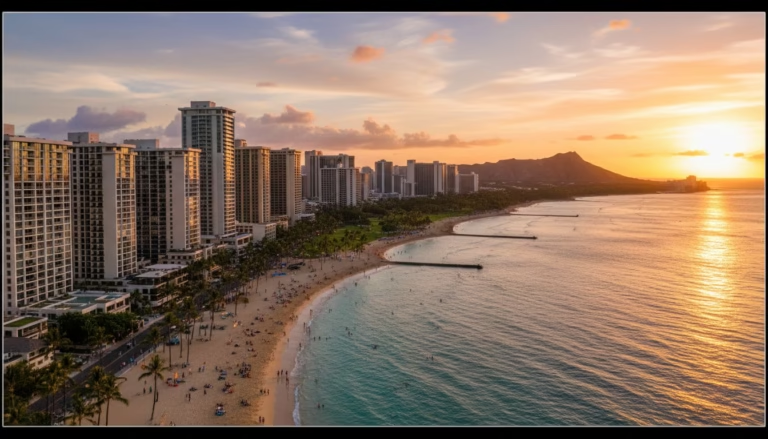
Units near the Diamond Head side of Waikiki often appeal to buyers who want easier access to Kapiolani Park, a less commercial feel, and a stronger residential tone. Buildings closer to central Waikiki may offer maximum convenience to restaurants, shopping, and visitor activity, but with more noise and congestion. Areas nearer Ala Wai can offer better relative value, though you are making a trade-off on immediate beach access and sometimes on view quality.
This is why distance alone is not enough. A condo four blocks from the beach in the right pocket of Waikiki may fit an owner better than one two blocks away in a busier, less comfortable stretch.
Old Waikiki building or newer tower?
This decision usually comes down to trade-offs, not right versus wrong.
Older Waikiki buildings near the beach can provide lower entry pricing, larger floor plans, and locations that would be difficult to replicate today. They may also come with aging infrastructure, less efficient layouts, and more variability in association management. A well-run older building can be an excellent buy, but it demands closer review.
Newer or more recently upgraded towers tend to appeal to buyers who want stronger amenities, cleaner building systems, and a more polished ownership experience. The trade-off is often a higher purchase price, smaller interior space, and steeper monthly carrying costs.
For many buyers, the right answer depends on how often they will use the condo and how hands-on they want to be. If this is a low-maintenance second home, newer may feel safer. If value per square foot matters most and you are comfortable underwriting building quality carefully, older inventory may offer better opportunity.
Investment questions buyers should ask
If you are buying with income in mind, gross rent is only the starting point. Waikiki investors need a building-level view of expenses and demand durability.
Ask how the building performs during slower travel periods, not just peak seasons. Review maintenance fees, property taxes, insurance, management costs, and any operating requirements tied to rentals. Also consider how easy the unit will be to resell. A building with broad buyer appeal usually gives you a stronger exit than one that only fits a narrow investor profile.
Pay attention to floor plan efficiency as well. In Waikiki, compact studios and one-bedrooms can perform well because they match the market, but only if the building rules support the strategy and the layout feels functional. Not every small unit is automatically a strong rental asset.
Red flags that deserve a closer look
Some warning signs are obvious, like unusually high fees or visible deferred maintenance. Others are easier to miss. Frequent listings in the same building can suggest churn. Repeated price cuts may indicate buyer hesitation tied to financing, management, or upcoming repair work. Poorly maintained lobbies, outdated recreation areas, and inconsistent security can all affect long-term value, especially in a market where buyers compare buildings closely.
It is also worth checking whether a building has a clear identity. The strongest Waikiki condo properties usually know what they are. Some serve owner-occupants well. Some fit second-home buyers. Some operate best as rental-oriented inventory. A building trying to satisfy every use case can sometimes create friction in governance and owner expectations.
When beach proximity is worth paying for
The premium makes sense when it supports both lifestyle and resale strength. If you want to walk to the shoreline daily, minimize car use, and own in a location with durable demand, paying more for true beach access can be justified. That is especially true when the building itself is financially sound and operationally stable.
The premium makes less sense when buyers stretch for location while ignoring ownership economics. A slightly inland building with better reserves, more sensible fees, and stronger management may produce a better long-term result than a more expensive condo one block closer to the sand.
That is where a building-by-building comparison becomes valuable. On BuyOahuCondos.com, the goal is not to show every option equally. It is to help buyers narrow the field based on how they plan to use the property, what costs they can carry comfortably, and which buildings hold up under scrutiny.
Waikiki rewards buyers who stay selective. The right condo near the beach should feel good on day one, but it should also make sense after you have reviewed the fees, the rules, and the building itself. That extra layer of discipline is usually what separates a great purchase from an expensive lesson.