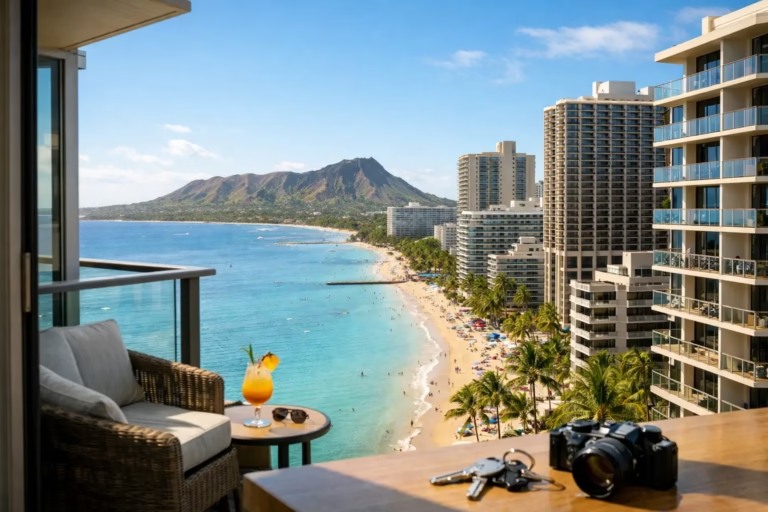
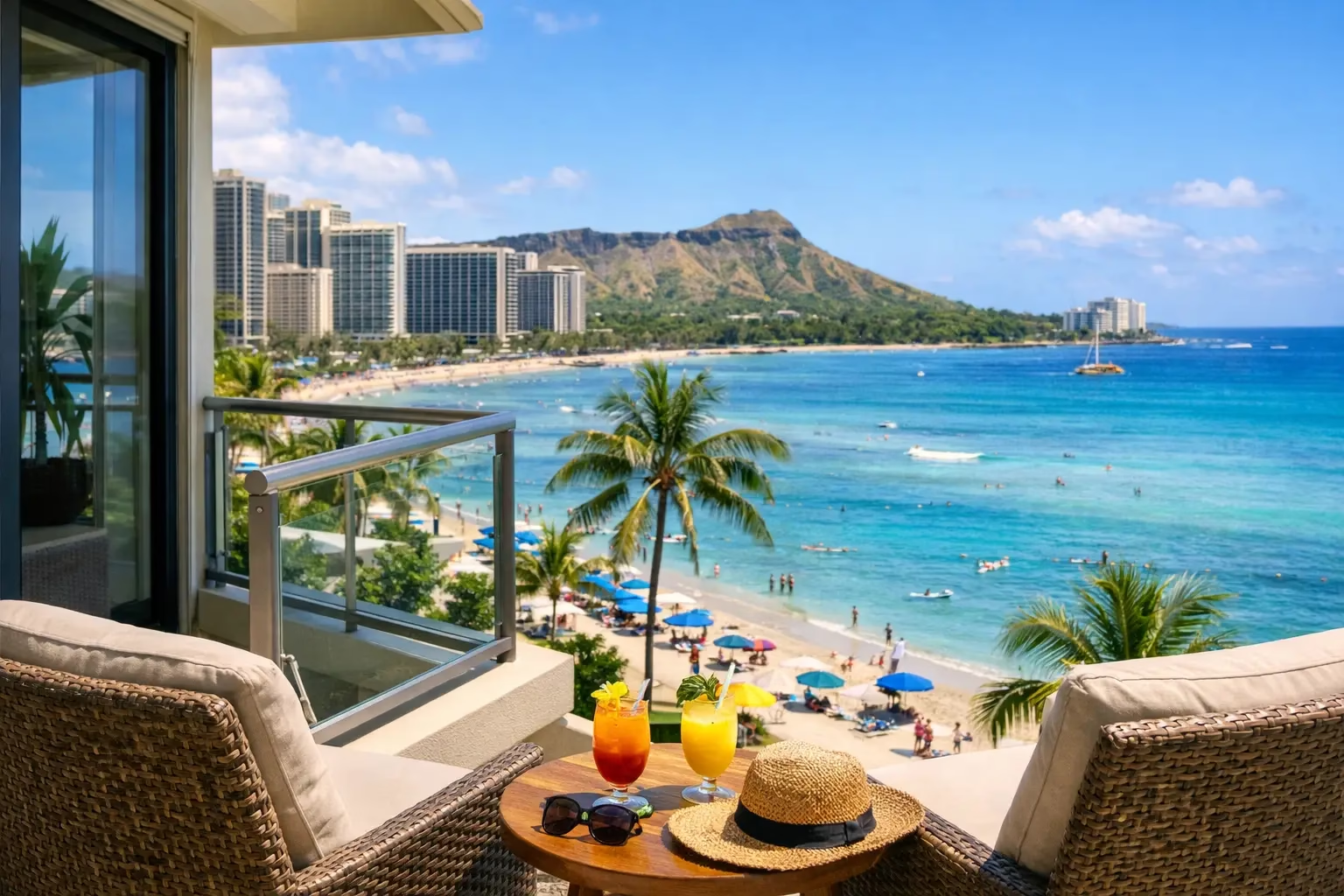
Vacation Rentals Walking Distance Waikiki Beach
Waikiki sounds simple on a map until you start comparing buildings. Two condos can both be marketed as close to the sand, yet one gives you an easy five-minute walk to Kuhio Beach while the other puts you across busy streets, farther from quieter stretches, and in a building with rental rules that change the whole ownership equation. If you are searching for vacation rentals walking distance Waikiki Beach, the smart move is not just finding a unit near the shoreline. It is finding the right building, with the right use case, at the right carrying cost.
What “walking distance” to Waikiki Beach really means
In Waikiki, walking distance is flexible enough to be misleading. For some buyers, it means under five minutes in sandals with no major intersections. For others, a 10 to 15 minute walk still feels acceptable if the building offers stronger amenities, lower price per square foot, or better views.
That is why location in Waikiki should be judged in layers. The first layer is true beach access – how fast you can get from the lobby to the sand. The second is the quality of that route. A shaded, direct walk past shops and restaurants feels very different from a longer route through traffic-heavy blocks. The third is where on the beach you actually land. Being near Fort DeRussy, Kuhio Beach, or the Diamond Head side of Waikiki can shape the owner and guest experience more than buyers expect.
For vacation-oriented ownership, one or two blocks can make a noticeable difference in guest appeal, resale positioning, and nightly pricing potential where legal rental use is allowed.
Vacation rentals walking distance Waikiki Beach – start with legal use, not the photos
Many buyers begin with lanai views, pool decks, and updated interiors. Those matter, but rental legality matters more. In Waikiki, not every condo that looks like a vacation rental can legally operate as one. Some buildings allow short-term rentals. Others are limited to longer minimum stays. Some have house rules that are stricter than buyers assume.
This is where investors and second-home buyers often make expensive mistakes. A well-located condo one block from the beach is not automatically a strong vacation rental asset if the building restricts short-term use, has operational friction, or carries fees that cut too deeply into net income.
Before getting attached to a unit, verify the building’s rental policy, zoning context, and any house rules that affect occupancy, check-in processes, or guest management. The listing description is not enough. Building-level review is essential.
The buildings matter more than the unit in Waikiki
In most condo markets, buyers focus heavily on the individual unit. In Waikiki, building selection often drives the better decision. That is especially true if your search is centered on vacation rentals within walking distance of Waikiki Beach.
A comparable one-bedroom in two different towers may have similar asking prices, but the ownership experience can be very different. One building may have healthy reserves, stable maintenance fees, and consistent management. Another may have deferred maintenance, special assessment risk, or elevator and amenity issues that affect guest reviews and resale appeal.
This is why serious buyers compare more than square footage and finish level. You want to know how the building operates, whether the HOA has financial discipline, what the maintenance fee covers, and how the property presents in real life. A lobby, front desk, security setup, and common area condition all influence the perception of value.
What to compare beyond beach proximity
Beach access gets attention first, but ownership economics decide whether the purchase still looks good a year later. In Waikiki, the biggest variables are often monthly carrying costs, leasehold versus fee simple structure, and building-specific management quality.
HOA fees can be reasonable in one building and surprisingly high in another, especially where amenities, staffing, and older infrastructure push costs upward. High fees are not always a problem if reserves are healthy and the building is well maintained. Low fees are not always a win if they suggest underfunded reserves or delayed repairs.
You also need to understand whether the unit is fee simple or leasehold. That distinction can change financing options, resale demand, and long-term value. Buyers drawn in by a lower entry price sometimes realize too late that the ownership structure brings a different risk profile.
Parking is another detail that depends on your plan. If the condo is mainly for guest use, parking may be less critical in central Waikiki than many mainland buyers assume. If you plan to stay regularly or target visitors who want to explore the island by car, parking becomes a more meaningful differentiator.
Best-fit locations for different buyer goals
Not every buyer shopping near Waikiki Beach wants the same thing. The strongest purchase is usually the one aligned with how you plan to use it.
If your priority is maximum beach convenience
Focus on buildings in the core sections of Waikiki where guests can walk out and reach the shoreline quickly without treating the route like a commute. These locations often command stronger appeal for shorter stays where legal, but they may come with higher prices, denser surroundings, and more street activity.
If your priority is a quieter second-home feel
The Diamond Head side of Waikiki can feel more relaxed while still keeping the beach within easy reach. This area tends to attract buyers who want regular personal use and place a premium on a less hectic atmosphere. The trade-off is that inventory can be tighter and some buildings may not fit a short-term rental strategy.
If your priority is investment efficiency
Sometimes the best value is a little farther from the sand, but still close enough to be marketed as a walkable beach location. That small shift in distance can improve entry price, lower competition, or open up building options with better financials. It depends on whether your strategy favors top-end nightly appeal or stronger overall cost control.
How walkability affects demand and resale
Walkability in Waikiki is not just a lifestyle perk. It is part of the asset story. Buyers and renters consistently pay attention to how easily they can get to the beach, restaurants, shopping, and daily essentials without a car.
That said, walkability should be viewed together with building quality. A condo three blocks from the beach in a well-run building may outperform a closer unit in a poorly maintained property over time. The market does not reward proximity alone. It rewards the package.
Resale buyers also tend to ask practical questions quickly. Is the building legal for their intended rental use? Are maintenance fees manageable? Does the property feel dated or dependable? Is there a history of assessments? These questions shape value just as much as the map pin does.
A smart buying process for vacation rentals walking distance Waikiki Beach
The cleanest way to approach this search is to narrow by building first, then by unit. That saves time and helps avoid emotional decisions based on staging or listing language.
Start with your intended use. If this is primarily an investment, define your rental strategy and acceptable carrying costs before reviewing units. If it is a second home with occasional rental use, your tolerance for fees, noise, and location trade-offs may look different.
Next, compare buildings based on rental rules, ownership structure, HOA financial health, amenities, and distance to the part of Waikiki Beach that actually matters to you. Only after that should you compare floor plans, views, renovations, and price per square foot.
This is the point where local condo-specific guidance becomes valuable. A building can look strong online but have issues that show up in financials, reserve funding, or rule enforcement. Buyers using a condo-focused resource such as BuyOahuCondos.com are usually trying to answer the right question: not just which unit looks best, but which building makes the best long-term decision.
The most common mistake buyers make
The biggest mistake is treating all Waikiki condo inventory as interchangeable. It is not. A vacation rental near the beach is not a product category with uniform value. It is a building-by-building decision shaped by legality, economics, location nuance, and operational quality.
That is why disciplined buyers tend to do better here. They look past the headline promise of walking distance and ask what that actually means for use, cost, and resale. In Waikiki, that extra layer of analysis is not overthinking it. It is how you avoid buying the wrong condo in the right neighborhood.
If you are serious about owning near the beach, let the map pull you in, but let the building data make the decision.