

Investment Condo Risks: Complete Guide for Buyers
More than half of condo investors underestimate the true risks hidden behind glossy brochures and rising property values. Owning an investment condo can appear straightforward at first glance, yet many buyers overlook costly surprises like strict HOA rules, unpredictable fees, and market swings. Understanding these realities matters for anyone hoping to build wealth through condos, as sidestepping critical risks could mean the difference between profit and financial headaches.
Table of Contents
- Defining Investment Condo Risks And Misconceptions
- Main Types Of Investment Condo Risks
- Financial And Market Volatility Challenges
- Legal, Hoa, And Regulatory Compliance Issues
- Rental Restrictions, Vacancy, And Resale Factors
Key Takeaways
| Point | Details |
|---|---|
| Investment Risks | Condo investments involve various risks, including market, liquidity, operational, and regulatory risks that can significantly impact returns. |
| Financial Volatility | Investors must anticipate financial challenges like interest rate fluctuations and market valuation shifts that can affect property affordability and rental income. |
| Legal Compliance | Navigating HOA restrictions, zoning laws, and rental permit requirements is crucial for successful condo investment, requiring ongoing diligence. |
| Rental & Resale Dynamics | Investors face challenges with stringent rental restrictions and potential vacancy risks that impact income and resale potential, necessitating strategic planning. |
Defining Investment Condo Risks and Misconceptions
Investing in a condo might seem like a straightforward path to real estate wealth, but the reality is far more nuanced. Investment condos present unique financial challenges that many buyers overlook, transforming what appears to be a dream investment into a potential financial strain. According to AccountingInsights, there are significant financial commitments beyond the initial purchase price that can dramatically impact your investment strategy.
The risks associated with condo investments extend well beyond simple property ownership. Whye highlights several critical challenges investors must navigate, including:
- Market Risk: Fluctuating property values can quickly erode potential returns
- Ongoing Costs: Persistent expenses like maintenance fees and special assessments
- Limited Autonomy: Strict homeowners association (HOA) regulations that restrict property modifications
- Liquidity Challenges: Difficulty selling the property quickly when needed
Particularly in markets like Oahu, understanding these risks becomes paramount. Potential investors often fall prey to several common misconceptions. They assume condos are low-maintenance investments that will automatically generate steady income. However, the reality involves complex financial dynamics. Honolulu Rental Property Investment Guide can provide deeper insights into the local market intricacies. The key is recognizing that successful condo investment requires thorough due diligence, comprehensive financial planning, and a realistic understanding of potential challenges and limitations.
Main Types of Investment Condo Risks
Investing in condos involves navigating a complex landscape of potential financial risks that can significantly impact your investment strategy. According to Investright, there are multiple layers of risk investors must carefully evaluate before committing to a property. These risks go beyond simple market fluctuations and encompass a sophisticated range of financial and operational challenges.
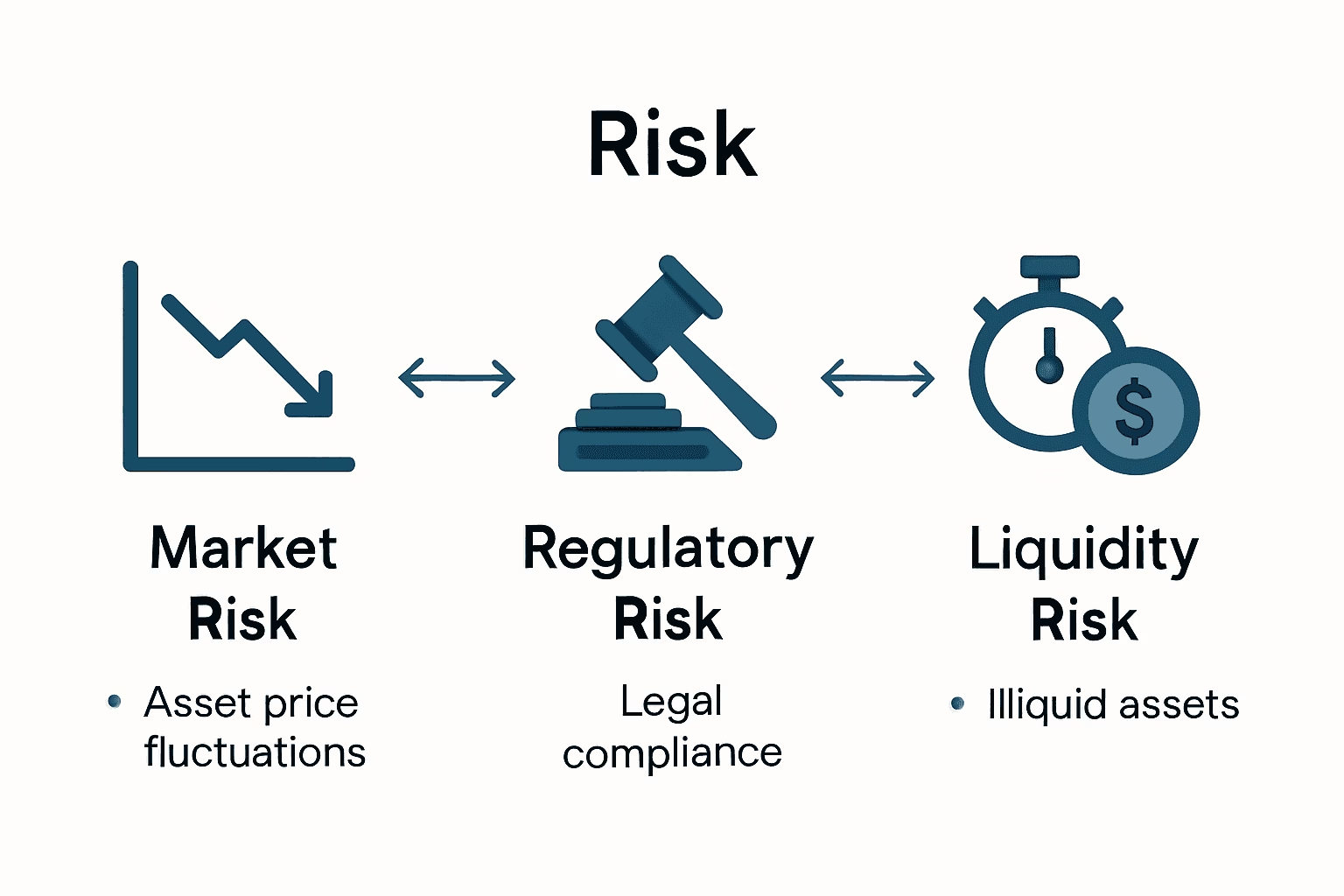
The primary types of investment condo risks can be categorized into several critical domains:
- Market Risk: Potential for property value decline due to economic shifts
- Liquidity Risk: Challenges in quickly selling the property without significant financial loss
- Operational Risk: Expenses related to maintenance, repairs, and unexpected building issues
- Regulatory Risk: Changes in local housing laws or HOA regulations that could impact investment potential
ArabMLS emphasizes that real estate investments are particularly vulnerable to maintenance and management challenges. Beyond financial considerations, investors must also navigate operational complexities that can erode potential returns. These include understanding complex HOA rules, managing potential rental restrictions, and anticipating ongoing costs that might not be immediately apparent. Waikiki Rental Restrictions Guide provides crucial insights into the local regulatory landscape that could impact your investment strategy. Successful condo investors recognize that thorough due diligence and a comprehensive understanding of these multifaceted risks are essential to making informed investment decisions.
Financial and Market Volatility Challenges
Condo investments are particularly susceptible to complex financial and market volatility challenges that can quickly erode potential returns. According to SEC, real estate investments face substantial risks from unpredictable economic conditions, including dramatic shifts in local market dynamics, supply and demand fluctuations, and broader economic trends that can impact property values.
The most significant financial volatility risks for condo investors include:
- Interest Rate Fluctuations: Sudden changes in borrowing costs that affect property affordability
- Market Valuation Shifts: Unexpected declines in property values due to economic downturns
- Rental Income Instability: Potential drops in rental demand affecting investment returns
- Economic Cycle Sensitivity: Vulnerability to broader economic contractions
ArabMLS highlights that these volatility challenges extend beyond simple market movements. Investors must carefully analyze credit risks, tenant quality, and the potential for refinancing challenges that can emerge during economic uncertainties. Oahu Condo Maintenance Fees can provide additional context on how ongoing expenses interact with these market volatility challenges. Successful investors develop robust strategies that anticipate and mitigate these complex financial risks, recognizing that market resilience requires more than just initial investment capital.
Legal, HOA, and Regulatory Compliance Issues
Navigating the complex landscape of legal and regulatory requirements represents one of the most challenging aspects of condo investment. According to LIMBD, successful real estate investing demands thorough research and a well-defined strategy to manage the intricate legal and regulatory environments that can significantly impact investment outcomes.
Key legal and regulatory compliance challenges for condo investors include:
- HOA Restrictions: Complex rules governing property use, modifications, and rental potential
- Zoning Regulations: Local laws that may limit investment strategies
- Rental Permit Requirements: Specific legal documentation needed for short-term and long-term rentals
- Compliance Penalties: Potential financial and legal consequences for regulatory violations
Waikiki Condominium Rentals Guide offers crucial insights into the nuanced legal landscape of local condo investments. Regulatory compliance extends far beyond simple paperwork, requiring investors to maintain ongoing awareness of changing local ordinances, HOA board decisions, and potential legislative shifts that could impact property rights. Successful investors treat legal and regulatory navigation as a critical ongoing process, not a one-time checklist.
 This means developing a proactive approach that anticipates potential changes, maintains meticulous documentation, and remains adaptable to the dynamic real estate regulatory environment.
Rental Restrictions, Vacancy, and Resale Factors
Condo investments in Oahu present a complex landscape of rental and resale challenges that can significantly impact an investor’s financial strategy. According to AccountingInsights, investors face substantial autonomy restrictions through HOA regulations that can dramatically limit rental potential and future resale opportunities.
Key challenges in rental and resale dynamics include:
- Rental Restriction Complexity: Stringent HOA rules limiting short-term and long-term rental options
- Vacancy Risk: Potential income loss during periods without tenants
- Competitive Resale Market: Limited buyer pool within specific condo developments
- Income Generation Barriers: Regulatory constraints on rental strategies
Whye emphasizes that vacancy risks can create significant financial strain, with potential lost income and ongoing expenses continuing regardless of occupancy. Guide to Rental Income Potential can provide deeper insights into navigating these challenges. Successful investors must develop sophisticated strategies that account for these complex restrictions, understanding that condo investments require more than just initial capital – they demand continuous adaptation, deep local market knowledge, and a proactive approach to managing rental and resale constraints.
Navigate Investment Condo Risks with Confidence on Oahu
Investing in a condo on Oahu involves understanding complex risks like market volatility, HOA regulations, and rental restrictions that can influence your returns. Many buyers face challenges balancing ongoing costs, limited autonomy, and resale difficulties. If you want to avoid costly surprises and make informed decisions, comprehensive guidance focused on local market details is essential.
Discover expert insights and practical strategies in our Honolulu Condo Investment Guides | ROI & Rental Tips that unpack these critical risks and help you plan smartly.

Take control of your investment journey now. Explore current trends and neighborhood highlights with our Oahu Condo Market Updates | Honolulu & Waikiki Reports then visit BuyOahuCondos.com for personalized property listings, tools to compare HOA fees, and expert support tailored to your goals. Act today to turn condo risk awareness into confident investment success.
Frequently Asked Questions
What are the primary risks associated with investing in a condo?
The primary risks of condo investment include market risk, liquidity risk, operational risk, and regulatory risk, which can all impact the value and profitability of your investment.
How do ongoing costs affect condo investments?
Ongoing costs such as maintenance fees, special assessments, and HOA dues can significantly reduce your overall returns and must be factored into your investment calculations.
What are the common misconceptions about condo investments?
Many buyers mistakenly believe that condos are low-maintenance investments that guarantee steady income, overlooking the complexities of financial dynamics and HOA restrictions.
How can rental restrictions impact condo investment profitability?
Stringent rental restrictions imposed by HOAs can limit your ability to rent out the property, affecting your income potential and making it difficult to resell, especially during vacancy periods.







3 Comments