
Cheapest Way to Move to Hawaii: Step-by-Step Cost Guide
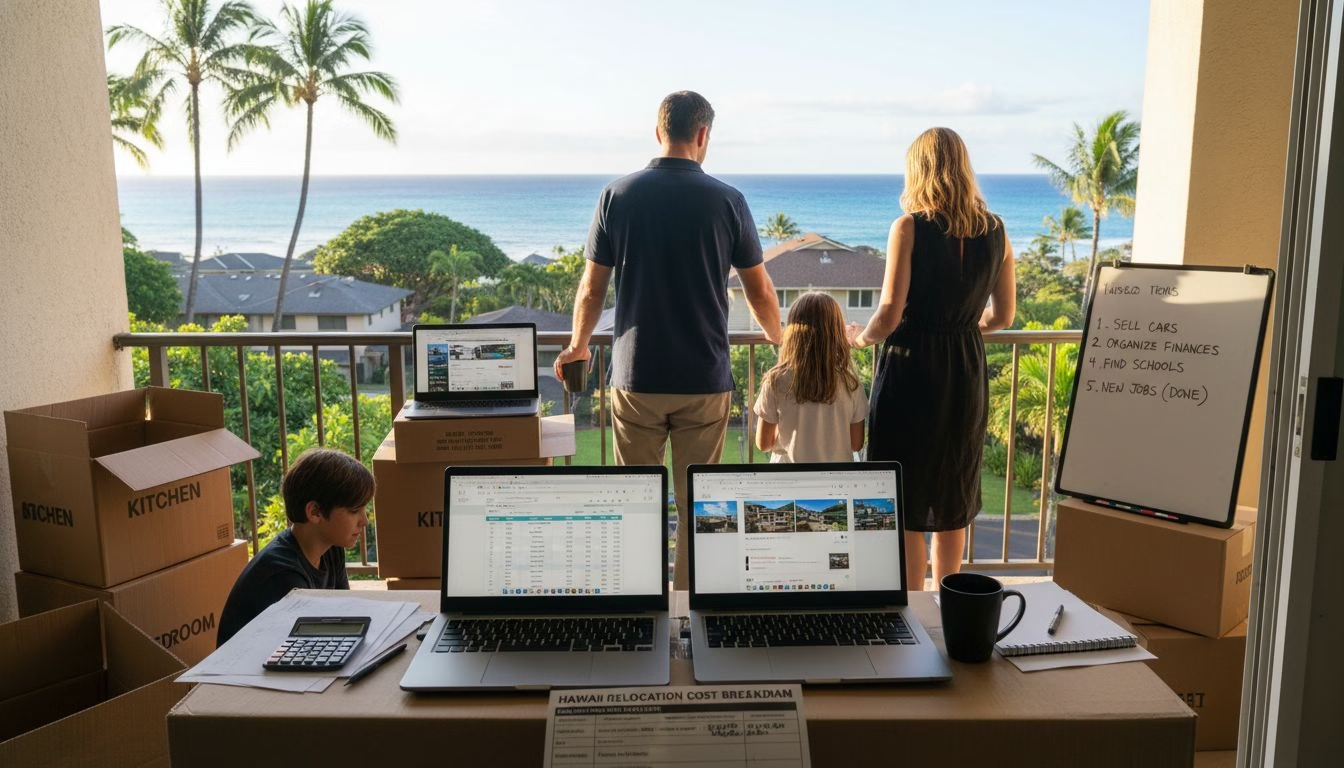
The cheapest way to move to Hawaii: Relocating to Hawaii is a dream for many, but the financial commitment surprises most newcomers. Housing alone can claim up to 30% of your net income, and shipping personal belongings or vehicles may quickly escalate your expenses. Planning each step of your move with a well-managed budget and a strategy for affordable housing can make all the difference. With the right approach, you can enjoy your new life in paradise without overstressing your finances or missing key saving opportunities.
Table of Contents: Cheapest way to move to Hawaii
- Step 1: Set A Realistic Relocation Budget
- Step 2: Research Low-Cost Shipping And Moving Options
- Step 3: Secure Affordable Temporary Accommodation
- Step 4: Identify Budget-Friendly Housing Opportunities
- Step 5: Verify Relocation Savings And Finalize Transition
Quick Summary
| Key Point | Explanation |
|---|---|
| 1. Create a Detailed Relocation Budget | Outline all expenses like housing, transportation, and shipping to ensure preparedness. |
| 2. Explore Affordable Shipping Options | Get multiple quotes and consider selling large items or shipping consolidated loads to save costs. |
| 3. Secure Budget-Friendly Temporary Housing | Use various platforms to find short-term rentals that fit your budget before committing to a long-term lease. |
| 4. Identify Long-Term Housing Strategies | Be ready to negotiate and consider shared living to find affordable rental opportunities. |
| 5. Verify Total Moving Costs and Savings | Conduct a thorough review of expenses, adjust your budget as needed, and create a relocation savings account for financial tracking. |
Step 1: Set a Realistic Relocation Budget
Moving to Hawaii requires strategic financial planning. In this step, you will craft a comprehensive budget that accounts for all potential expenses associated with relocating to the tropical paradise.
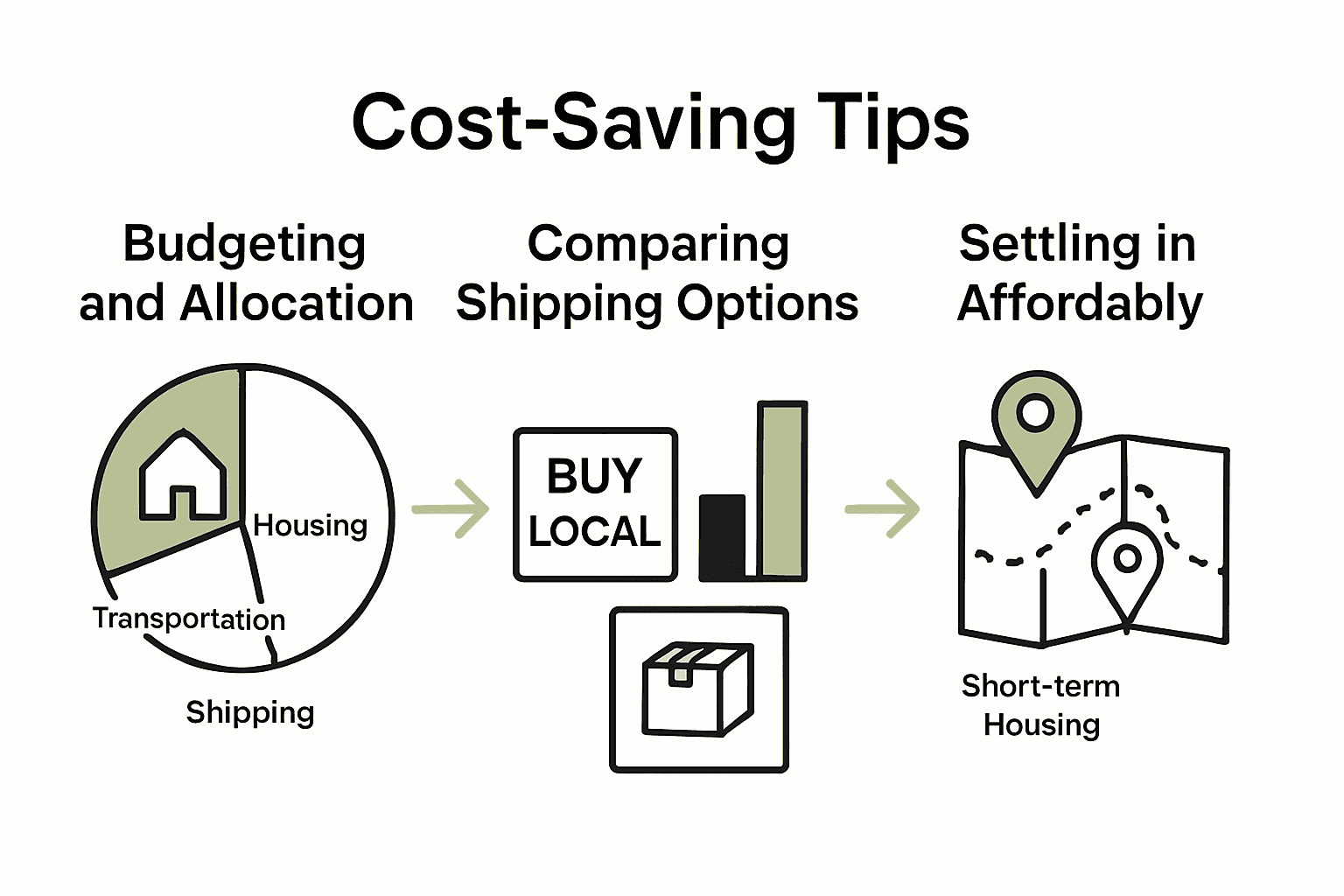
According to hawaiiresidency.org, housing should constitute approximately 30% of your net income. This guideline helps ensure you allocate funds appropriately and avoid financial strain. Start by analyzing your current income and determining how much you can realistically dedicate to living expenses in Hawaii.
Break down your anticipated costs into clear categories:
- Housing (rent or mortgage)
- Transportation
- Food and groceries
- Shipping personal belongings
- Emergency fund
As teachinhawaii.org notes, average rent ranges between $1,100 to $1,700 monthly across different Hawaiian islands. Consider this when projecting your housing budget. Pro tip: Build in a 10 15% buffer for unexpected expenses to provide financial flexibility.
Remember that relocating involves more than just monthly expenses. Factor in initial moving costs like shipping fees for vehicles and personal items. Explore cost saving strategies such as selling large furniture before moving and using wholesale clubs like Costco to reduce grocery expenditures.
Once you have a comprehensive budget, you will be well prepared to make your Hawaiian relocation smooth and financially manageable. Your next step involves researching specific neighborhood costs and potential employment opportunities.
Step 2: Research Low-Cost Shipping and Moving Options
Reducing your moving expenses is crucial when relocating to Hawaii. In this step, you will explore strategic methods to minimize shipping and transportation costs while ensuring your essential belongings make the journey safely.
Teachinhawaii.org highlights that shipping a vehicle to Hawaii typically costs between $1,000 and $1,500. However they recommend carefully assessing whether bringing your current vehicle makes financial sense. Consider selling larger items before moving and purchasing replacements locally to avoid excessive shipping fees.
Start by getting multiple shipping quotes from different companies. Compare prices for shipping containers which can range between $4,000 and $6,000 according to BigIsland.org. Some key strategies to reduce costs include:
- Sell furniture and bulky items before moving
- Pack efficiently and minimize volume
- Choose consolidated shipping options
- Consider furnished rental apartments
If you own a vehicle, evaluate the economics of shipping versus buying locally. For west coast residents, shipping a car can be more cost effective than purchasing a new one in Hawaii. However thoroughly research current market prices and shipping expenses to make an informed decision.
A smart approach involves creating a detailed inventory of items you absolutely need. Prioritize sentimental and irreplaceable belongings while being ruthless about eliminating unnecessary items. This strategy not only saves money but also simplifies your moving process.
Your next step will involve obtaining precise shipping quotes and creating a comprehensive moving strategy that balances cost effectiveness with your personal needs.

Step 3: Secure Affordable Temporary Accommodation
Finding budget friendly temporary housing is a critical step in your Hawaiian relocation journey. You will learn strategic approaches to secure comfortable and affordable short term living arrangements while establishing your new island home.
Teachinhawaii.org recommends exploring multiple rental platforms to maximize your housing options. Key resources include HiCentral, Craigslist Hawaii, Zillow Rentals, and Facebook Marketplace. These platforms offer diverse accommodation choices ranging from studio apartments to shared living spaces that can significantly reduce your initial housing expenses.
Start your search by setting clear parameters for your temporary housing:
- Establish a firm monthly budget
- Identify preferred neighborhoods
- Determine required amenities
- Set a maximum commute distance
- Consider shared housing options
According to hawaiiresidency.org, leveraging community networks can uncover hidden housing opportunities. Reach out to local professional groups, university alumni networks, and social media communities connected to Hawaii. These connections might reveal affordable housing options not publicly listed.
Pro tip: Consider short term furnished rentals or extended stay accommodations during your initial months. These options provide flexibility while you explore permanent housing and allow you to understand different island neighborhoods without long term commitments.
Your temporary housing strategy should balance affordability with comfort and convenience. Research thoroughly, remain flexible, and be prepared to negotiate. The next step involves understanding local rental markets and preparing necessary documentation for securing your ideal temporary home.
Step 4: Identify Budget-Friendly Housing Opportunities
Finding affordable housing in Hawaii requires strategic planning and creative approaches. In this step, you will learn how to navigate the competitive rental market and uncover housing options that align with your budget constraints.
Teachinhawaii.org highlights that average rental prices across Hawaiian islands range from $1,100 to $1,700 monthly. Understanding these baseline costs will help you set realistic expectations and develop a targeted housing search strategy. Check out our guide to affordable condos in Honolulu for additional insights into budget conscious housing options.
According to hawaiiresidency.org, housing should ideally consume no more than 30% of your net income. To maximize your housing affordability:
- Explore shared living arrangements
- Consider less popular neighborhoods
- Look for studios and compact apartments
- Negotiate rental terms
- Utilize online rental platforms
Expand your search beyond traditional rental listings. University housing boards, local Facebook groups, and community bulletin boards often feature more affordable options not listed on mainstream platforms. Some landlords prefer direct communication and may offer better rates to tenants who demonstrate reliability and long term potential.
Pro tip: Be prepared to act quickly when an affordable opportunity emerges.
Have your documentation ready including proof of income, references, and a solid credit history. Your flexibility and preparedness can give you a competitive edge in securing budget friendly housing.
Your next step involves understanding lease terms, negotiating effectively, and preparing the necessary paperwork to secure your new Hawaiian home.
Step 5: Verify Relocation Savings and Finalize Transition
Your Hawaiian relocation journey culminates in this critical financial verification stage. Here you will assess your total moving expenses, confirm your budget alignment, and implement final strategies to optimize your transition.
IAPDA emphasizes the importance of downsizing before moving to reduce transportation costs. Conduct a comprehensive financial review by documenting all expenses including shipping, travel, temporary housing, and initial setup costs. Create a detailed spreadsheet tracking every expenditure to identify potential savings and ensure you remain within your predetermined budget.
Key financial verification steps include:
- Compare actual expenses against initial budget
- Identify unexpected costs
- Calculate total relocation investment
- Review potential tax deductions for moving expenses
- Determine remaining emergency funds
According to IAPDA, adopting a frugal living mindset is crucial during relocation. Be prepared to modify your lifestyle and housing expectations based on actual local market conditions. Consider selling unnecessary items to generate additional funds and offset moving expenses.
Pro tip: Establish a dedicated relocation savings account three months before moving. This allows you to segregate moving funds and track expenses more effectively. Aim to maintain a 10 to 15% buffer beyond your estimated moving costs to provide financial flexibility during unexpected circumstances.
Your final step involves celebrating your successful move and beginning your exciting new chapter in Hawaii. Embrace the adventure while remaining financially prudent and open to new experiences.
Make Your Move to Hawaii Affordable and Smart with BuyOahuCondos.com
Moving to Hawaii can be overwhelming with all the costs and choices involved. The article breaks down crucial steps like setting a realistic relocation budget and finding cost-effective shipping but finding the right home that fits your plan is just as important. Many readers struggle to balance budget constraints with securing quality housing in a competitive market. Whether you need tips on negotiating rent or want to explore affordable condo options, having the right guidance can ease this financial challenge.
Start your journey to an affordable Hawaii lifestyle today by exploring our Oahu Condo Buying Tips | Honolulu & Waikiki Advice.
Discover valuable insights on managing your housing budget and learn how to identify those hidden deals that can save you thousands. With BuyOahuCondos.com you get access to detailed neighborhood guides, tools to compare condos, and expert advice tailored for both first-time and seasoned buyers. Don’t let the cost of relocation hold you back from embracing island life. Visit BuyOahuCondos.com now and start building your cost-effective move with confidence. Need flexible short-term options while you settle in Try browsing our Vacation Rentals | Honolulu Condos for Sale to find the perfect temporary home. Take control of your move and make your dream life in Hawaii a reality.
Frequently Asked Questions
What are the main costs to consider when moving to Hawaii?
Moving to Hawaii entails several costs including housing, transportation, shipping personal belongings, groceries, and an emergency fund. Start by creating a detailed budget that categorizes these expenses to avoid any financial strain throughout your relocation.
How can I reduce my shipping costs when moving to Hawaii?
To minimize shipping costs, consider selling large furniture before moving and packing efficiently. Obtain multiple quotes from shipping companies and explore consolidated shipping options to potentially save up to 20% on these expenses.
What should I look for in temporary accommodation while moving to Hawaii?
When seeking temporary accommodation, prioritize affordability and comfort. Use multiple rental platforms to identify budget-friendly options, set clear parameters for your monthly budget, and be open to shared living arrangements to reduce costs further.
How can I find affordable long-term housing in Hawaii?
To find affordable long-term housing, explore less popular neighborhoods and consider shared living arrangements or compact apartments. Be prepared to negotiate rental terms and utilize local community boards and social networks to uncover hidden opportunities that might not be listed online.
What should I do to verify my relocation budget after moving?
After your move, conduct a thorough review of your total expenses against your initial budget. Document all costs, identify unexpected expenses, and adjust your budget if necessary, aiming to maintain a 10-15% buffer for future financial flexibility.
How can I ensure a smooth transition during my move to Hawaii?
To ensure a smooth transition, be proactive in your planning by establishing a detailed budget, obtaining shipping quotes, and securing temporary housing that allows for flexibility. Conduct thorough research in each of these areas to be adequately prepared for your relocation.







3 Comments