Waikiki Best Place to Buy Condo
When you search for waikiki best place to buy condo, Waikiki stands out for many compelling reasons. Its iconic location, persistent demand, scarcity of new supply, and vibrancy make it a top contender for condo buyers. But you won’t succeed just by being in Waikiki — success comes from picking the right building, unit, tenure, and having a sharp evaluation process. In this guide, we’ll walk through why Waikiki merits serious consideration, the current market context, pros and risks, standout buildings (especially Waikiki Landmark), evaluation criteria, financial modeling, strategic approach, and how to execute confidently.
Why Waikiki Often Ranks as the Top Choice
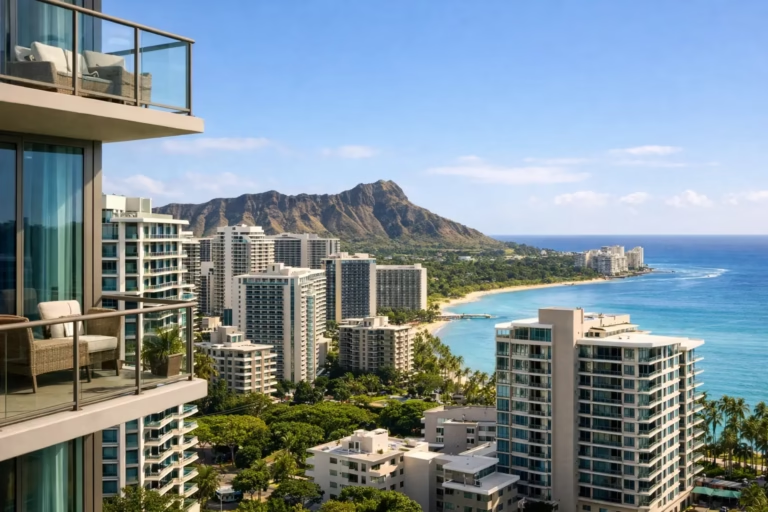
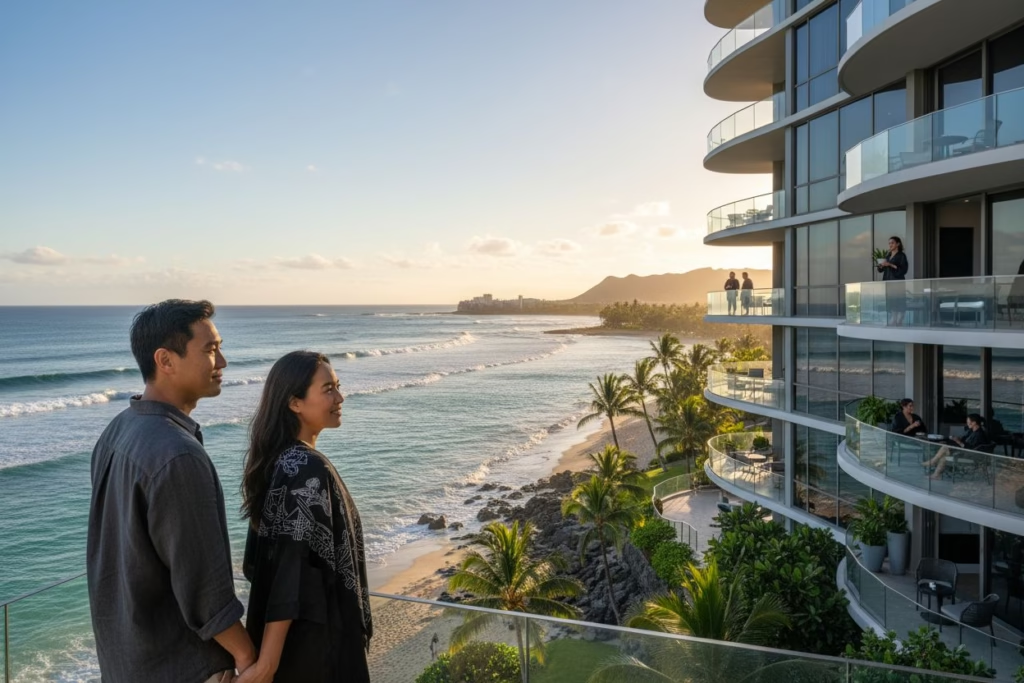
Waikiki occupies a rare niche in real estate—part urban core, part resort. It’s sandwiched between the Pacific and Honolulu’s commercial and cultural hub. That duality gives it constant foot traffic, tourism pull, and resident demand. An address in Waikiki is instantly recognized and desirable.
The demand base for Waikiki condos is diverse: local buyers, second‑home owners, investors seeking rental income, and long-term renters all converge. That mixed demand helps cushion downturns in any single segment.
Because nearly all land in Waikiki is already built upon, new development is extremely limited. Zoning, height restrictions, community controls, and restrictive redevelopment conditions make new projects rare—meaning existing condos retain scarcity value.
Many Waikiki condos come with extensive amenities while being walkable to restaurants, shopping, beaches, and transit. The lifestyle premium is real, and that adds to resale appeal beyond just financial return.
Current Market Trends & Signals
Recent data shows a pullback in transaction volume in Waikiki, yet median prices have held relatively steady in many periods. That suggests price resistance from sellers but opportunity for buyers with leverage. In mid‑2025, some months saw ~10–20% declines in units sold versus prior years, but median pricing dropped less sharply or even bumped upward in certain segments, Waikiki Best Place to Buy Condo.
Because inventory is gradually increasing and buyer urgency is lower than in peak years, negotiation room is wider—especially for older or less primed units.
On the cost side, rising maintenance, insurance, regulatory pressures, and building capital needs are compressing margins. That means conservative modeling is more important than ever.
Another key factor: regulation around short-term vacation rentals is in flux. Some Waikiki buildings allow legal vacation rentals, others don’t, and municipal policies could shift. Always confirm permitted use before investing.
Pros & Challenges You’ll Face Waikiki Best Place to Buy Condo
Pros: location prestige, walkability, tourism demand, scarcity, strong branding, amenity density.
Challenges: some buildings are leasehold (meaning you don’t own the land), many towers are aging (requiring maintenance or upgrades), high HOA dues, increasing insurance costs, and uncertainty in vacation rental rules.
Leasehold units tend to lose value more rapidly as the lease expiration nears. If the lease is short remaining, refinancing or resale can become difficult. Always check lease extension terms, ground rent escalators, and renewal rights.
Older buildings often carry deferred maintenance or structural challenges (e.g. plumbing systems, façade work, elevator modernization). If the HOA has not adequately reserved and planned, unexpected special assessments may hit owners hard.
HOA dues tend to ramp in amenity-rich towers. If you overestimate net yield or underestimate reserve requirements, you might find the cash flow much thinner than projected.
Insurance in coastal environments grows more expensive, especially with exposure to wind, salt, storms, and flooding. Some older buildings may struggle to meet modern building codes, forcing retrofits or compliance upgrades.
Lastly, liquidity varies. Units in less desirable towers, with odd layouts, or poor views may stagnate in slower markets. Investors must pick buildings with proven resale history.
Standout Buildings & Zones to Consider
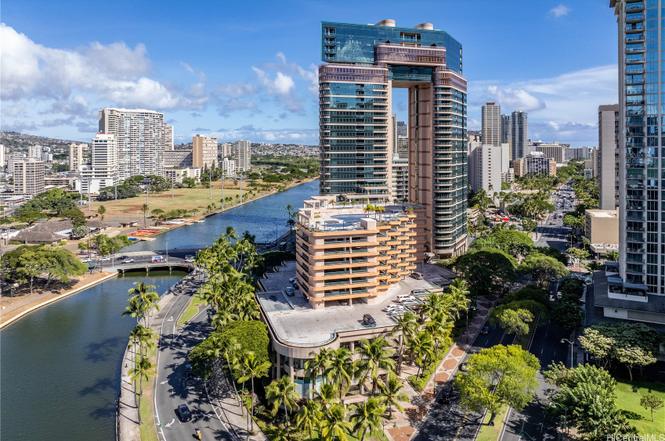
One of the most significant names in Waikiki is Waikiki Landmark. Located on Kalākaua Avenue, it comprises twin towers connected at the top via sky‑bridges. Many units are fee simple (though some leasehold tracts remain), which is favorable for financing and resale. Landmark offers amenities like pools, common areas, secure parking, and multi‑directional views depending on orientation and floor. Its prestige and design set it apart, though short-term rental use is often restricted in this building.
Another contender is Harbor View Plaza, located near the Ala Moana border of Waikiki. While older, it offers views toward the canal, harbor, and city, and may present value opportunities—though careful due diligence is required on maintenance and reserves.
Other prominent towers include Waikiki Shore (notable for its unique vacation rental allowances), Trump Tower Waikiki, The Watermark, Allure Waikiki, Loft at Waikiki, Waikiki Sunset, Waikiki Banyan, and others. Each varies by building age, HOA obligations, unit layout, view orientation, and permitted rental policies. Use your Honolulu Condos for Sale listing page to filter and compare across these towers.
Within Waikiki, different streets, orientations, and proximity zones can influence desirability. For instance, makai (ocean-facing) units or those facing the Ala Wai canal often command premiums. Units deeper into Waikiki may trade at slight discounts, albeit with more foot traffic or street noise tradeoffs.
How to Vet & Choose the Right Unit
First, clarify if the unit is fee simple or leasehold. Favor fee simple when possible, unless the leasehold terms are exceptionally favorable and manageable.
Then, demand full HOA and building documentation: audited financials, reserve studies, meeting minutes, maintenance logs, capital project plans, and insurance policies. Any ambiguity or weak reserves should raise caution.
Check the rental rules and building use permissions. If short-term rentals are your goal, confirm legal allowance in the building and local zoning.
Examine view, orientation, and floor level. Ocean- or canal-facing, higher floors, unobstructed views add value and often rent better. Be cautious of blocked views from adjacent towers.
Unit layout matters. Efficient floor plans, minimal wasted hallways, functional kitchen/bath plumbing layouts, and practical sizes tend to retain value. Highly customized or eccentric floor plans may be harder to re-rent or resell.
Inspect the condition carefully—look at plumbing, flooring, windows, appliances, HVAC, ceiling condition, cabinetry. Budget for upgrades even if the unit is “move-in ready.”
Check HOA fee vs amenities. High fees may be justified, but only if the building maintains transparency and sustainability. Overpaying for underused amenities is a risk.
Look into insurance exposure and structural risk: salt spray corrosion, wind loads, flood lines, storm resilience. Be sure the building itself is up to modern code or is in compliance retroactively.
Research resale history and liquidity of the building. How often do units trade? What are days on market? Favor buildings with stable transaction history.
Financial Modeling & Return Projections
Start with gross revenue estimates. For short-term rentals, assume realistic occupancy (60%–80%) and fluctuate rates by season. For long-term leasing, anticipate stable occupancy but include turnover and vacancy buffers.
Subtract operating costs: HOA dues, utilities (if applicable), insurance, management fees, maintenance, cleaning, furnishing (for short-term), marketing, property taxes, insurance premiums, and capital reserves.
That yields your net operating income (NOI). Then subtract debt service (if financed). That gives you projected cash flow.
Calculate cash-on-cash return: annual cash flow divided by your down payment and closing costs. Also calculate cap rate: NOI divided by purchase price.
Use multiple scenarios: optimistic, base, and downside. Stress test for vacancy surges, unplanned repairs, insurance hikes, regulatory changes, or rental rule changes.
If you’ll treat this as a rental property, remember depreciation and tax deductions. Interior improvements (not the land) can often be depreciated. Operating expenses, interest, management fees, and maintenance are usually deductible. Consult a local tax advisor to understand Hawaii’s rules and incentives.
Strategic Approach to Winning in Waikiki
Begin with a shortlist of buildings and units. Use your internal listings (e.g. Luxury Condos Oahu, Oceanfront Condos Oahu) to filter by view, floor, price, HOA, and rental policy.
Track comparable units, days on market, listing changes. Use negotiation leverage in softer months for credits, repairs, or inclusion of appliances/furnishings.
Visit buildings in person. Talk with current owners about the management, common area condition, concerns, and how HOA operates. Tour units at different times to detect noise, shadows, or view shifts.
Secure financing early. Make sure your lender approves the building, unit, and project. Lock in favorable terms. Don’t assume every building is financeable—older or poorly maintained towers may be flagged.
After closing, if renting, engage a professional property manager. Prepare for turnover, maintenance, marketing, cleaning, furnishing, and tenant acquisition. If you aren’t local, reliable management is essential.
Finally, monitor performance over time. Review rent trends, HOA proposals, capital expenses, regulatory changes, and property condition. Be ready to reprice, reinvest, or adjust as needed.
Illustrative Comparison Example
| Metric | Mid‑Tier Unit | Landmark Premium Unit |
|---|---|---|
| Purchase Price | $450,000 | $1,200,000 |
| HOA / Month | $450 | $1,100 |
| Gross Rent (Annual) | $24,000 (long-term) / $36,000 (short-term est) | $60,000 (if rental allowed) |
| Operating Costs / Expenses | ~20% of gross | ~25% (higher amenities, insurance) |
| NoI (after ops) | $19,200 | $45,000 |
| Debt Service (4% on 70% LTV) | $15,720 | $40,320 |
| Net Cash Flow | $3,480 (~0.78% CoC) | $4,680 (~0.89% CoC) |
| Cap Rate | 4.3% | 5.2% |
This sample underscores how higher price doesn’t always mean proportionally higher return—cost structure, financing, and risk play big roles.
Internal & External Linking Strategy
- Honolulu Condos for Sale
- Luxury Condos Oahu
- Oceanfront Condos Oahu
- Waikiki Landmark
- Oahu Condo Market Update Fall 2025
- Is Buying a Condo in Honolulu a Good Investment?
- Outbound dofollow: HawaiiLiving Waikiki Condo Listings
Final Recommendations & Takeaways for Waikiki Best Place to Buy Condo
Waikiki remains a top-tier choice when you ask “waikiki best place to buy condo,” but only if you make smart, informed decisions. Focus on well-run buildings with strong reserves, choose desirable unit layouts and views, confirm permitted use, and use conservative financial modeling. Landmark is a standout name you should include on your shortlist. Use the negotiation window in the current market to your advantage, and always conduct your due diligence.
Once you’re ready, browse current Waikiki listings through our site, check our Waikiki Landmark post, and reach out so we can help you visit and evaluate top units firsthand.